Imagine carrying around an entire bustling metropolis inside your stomach. It sounds like science fiction, but it is a reality. Right now, you are hosting a complex ecosystem of roughly 100 trillion microbial cells made up of more than 1,500 different bacterial species. This is your gut microbiome, and it is far more than just a digestive aid.
For decades, we were told that germs are bad. We scrubbed our hands with antibacterial soap and treated every microbe like an enemy. But science has flipped that script. We now know that these microbes are needed partners for your digestive system wellness. They are not freeloaders. They are active workers keeping you alive.
So what does this actually mean for your daily life? Your gut health is the command center for your physical and mental well-being. If your gut is happy, your mind and body usually follow suit.
The Gut-Brain Axis and More Than Just Digestion
Have you ever felt butterflies in your stomach when you were nervous? Or maybe you had a gut feeling about a big decision. That is not just a figure of speech. It is your gut-brain axis at work.
Think of your gut and your brain like two best friends on a non-stop phone call. They use a bidirectional communication network connected by the vagus nerve. This means your brain can send distress signals to your gut, and your gut can send mood-altering updates back to your brain.
In fact, a massive portion of your body's neurotransmitters, including serotonin, dopamine, and GABA, are produced right in your gut. When your microbiome is out of balance, your mood, anxiety levels, and cognitive function can take a direct hit.
A fascinating study published in the journal Cell showed exactly how stress wreaks havoc on this system.¹ Researchers found that psychological stress triggers a brain circuit that shuts down Brunner's glands in the small intestine. These glands normally produce a fluid that feeds helpful Lactobacillus bacteria. When stress shuts them down, the Lactobacillus dies off, the gut barrier weakens, and systemic inflammation spikes.
This connection is so powerful that the market for psychobiotics, which are probiotic supplements designed to improve mental health, is absolutely booming. It was valued at 1.15 billion dollars in 2025 and is on track to reach nearly 3 billion dollars by 2034.²
How Your Gut Trains Your Immune System
Did you know that about 70 to 80 percent of your immune cells live in your gut? Your microbiome acts like a personal trainer for these cells, teaching them how to fight off real threats while ignoring harmless substances.
A study from the University of Toronto revealed that gut bacteria release a molecule called extracellular ATP during normal metabolism.³ This molecule triggers a chain reaction that instructs white blood cells to turn into active, pathogen-fighting macrophages.
Another study showed that tiny, controlled amounts of gut bacteria actually slip through the gut barrier and travel to the bone marrow.⁴ This process primes your immune cells to fight off future infections. But there is a catch. If your gut barrier becomes too leaky, this constant priming can lead to chronic inflammation and heart issues. Keeping that barrier strong is absolutely key.
Optimizing Your Microbiome with Diet and Lifestyle
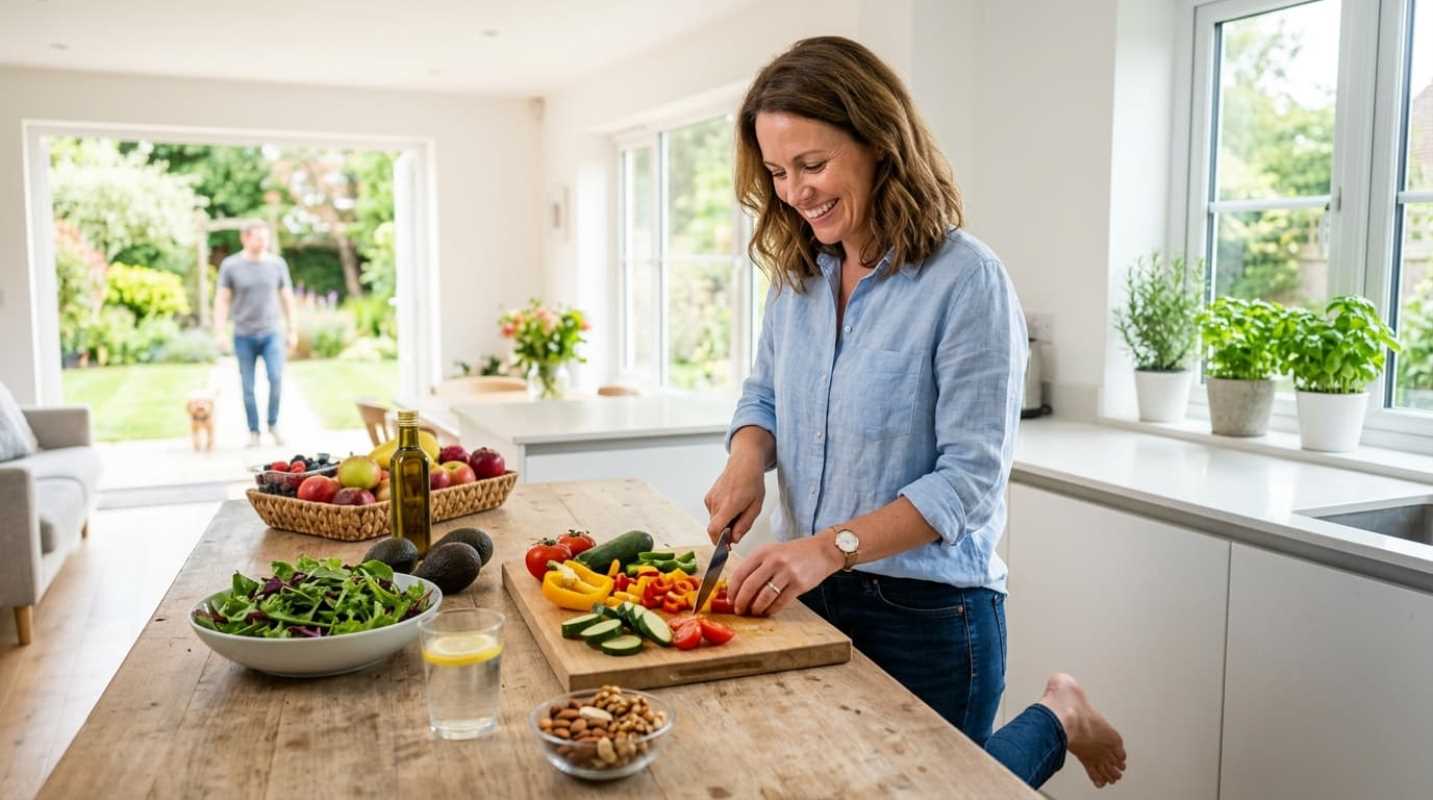
So how do you actually build a stronger, happier gut? It does not require a complete life overhaul. You can make a massive difference just by changing what you put on your plate.
The absolute best way to feed your good microbes is to eat a diverse, fiber-rich diet. You might have heard of the 30-plant rule. The goal is to eat 30 different plants every week, including fruits, vegetables, grains, nuts, and seeds. Different microbes eat different types of fiber. When they digest this fiber, they produce short-chain fatty acids like butyrate, which protect your brain and lower inflammation.
On the flip side, processed sugars and artificial sweeteners act like weedkiller for your internal garden. They feed harmful bacteria that crowd out the good ones.
Lifestyle matters just as much as diet. Remember that study about stress shutting down the gut's protective glands? It proves that high stress levels literally starve your good bacteria. Practices that calm your nervous system, like deep breathing, meditation, and getting consistent sleep, are clinically important for keeping your Lactobacillus populations alive.
The Truth About Probiotics and Gut Supplements
Walk down any health food aisle and you will see dozens of gut health supplements promising miracles. But let's be honest, a lot of it is marketing hype.
Most generic, over-the-counter probiotics do not actually colonize your gut. They just pass through. If you want real results, you need to look for evidence-based strains. Like, specific strains of Lactobacillus acidophilus and Bifidobacterium lactis have been shown to help regulate cholesterol and protect your heart.
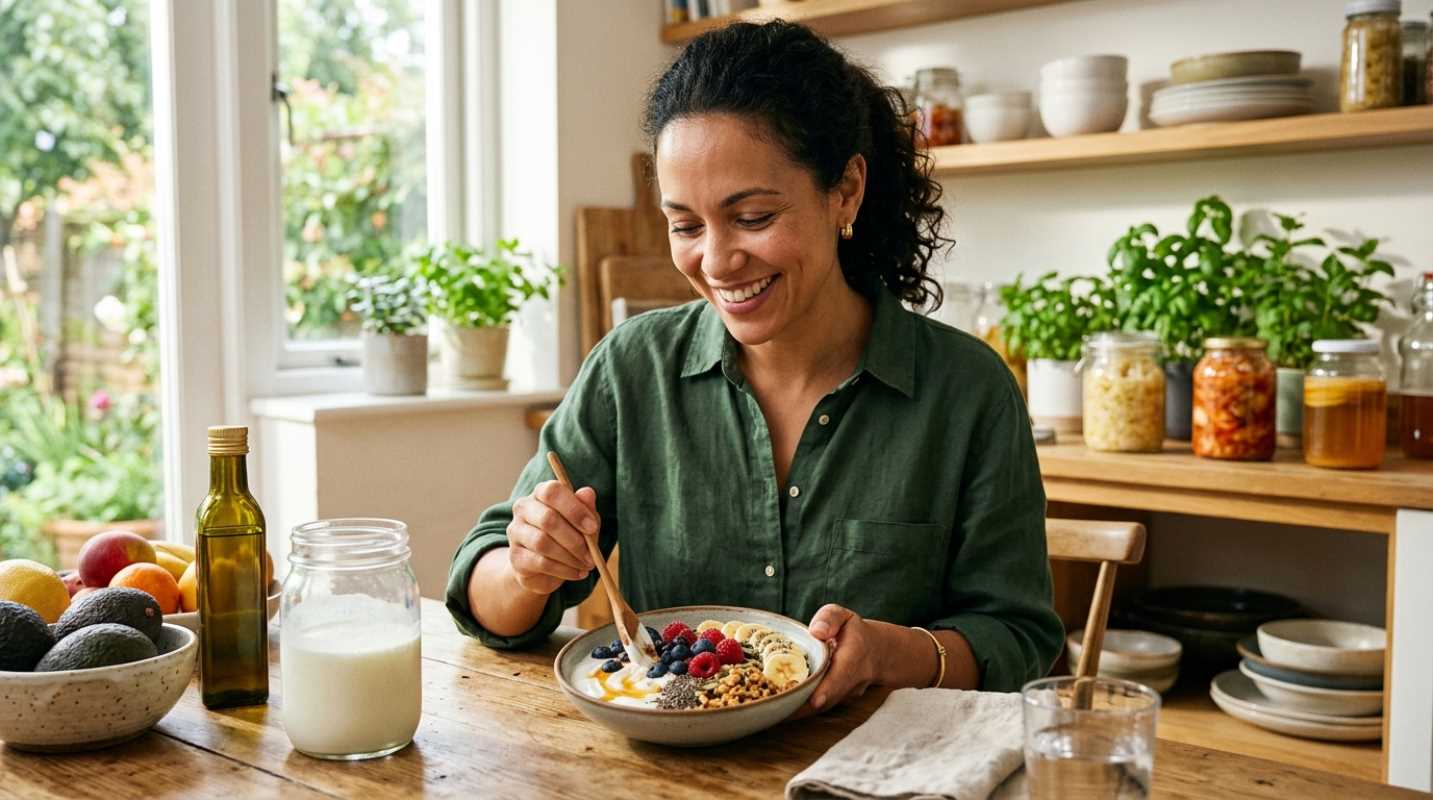
Instead of relying solely on pills, look to your kitchen. Fermented foods are natural powerhouses.
• Kefir, This fermented milk drink contains a diverse mix of live bacteria and yeast.
• Kimchi and Sauerkraut, These fermented vegetables provide both beneficial bacteria and the prebiotic fiber they love to eat.
• Kombucha, A sparkling fermented tea that introduces active cultures to your digestive tract.
We are also seeing a major shift toward postbiotics, which are the beneficial molecules that bacteria produce. They give you the benefits of probiotics but are much more stable on the shelf.
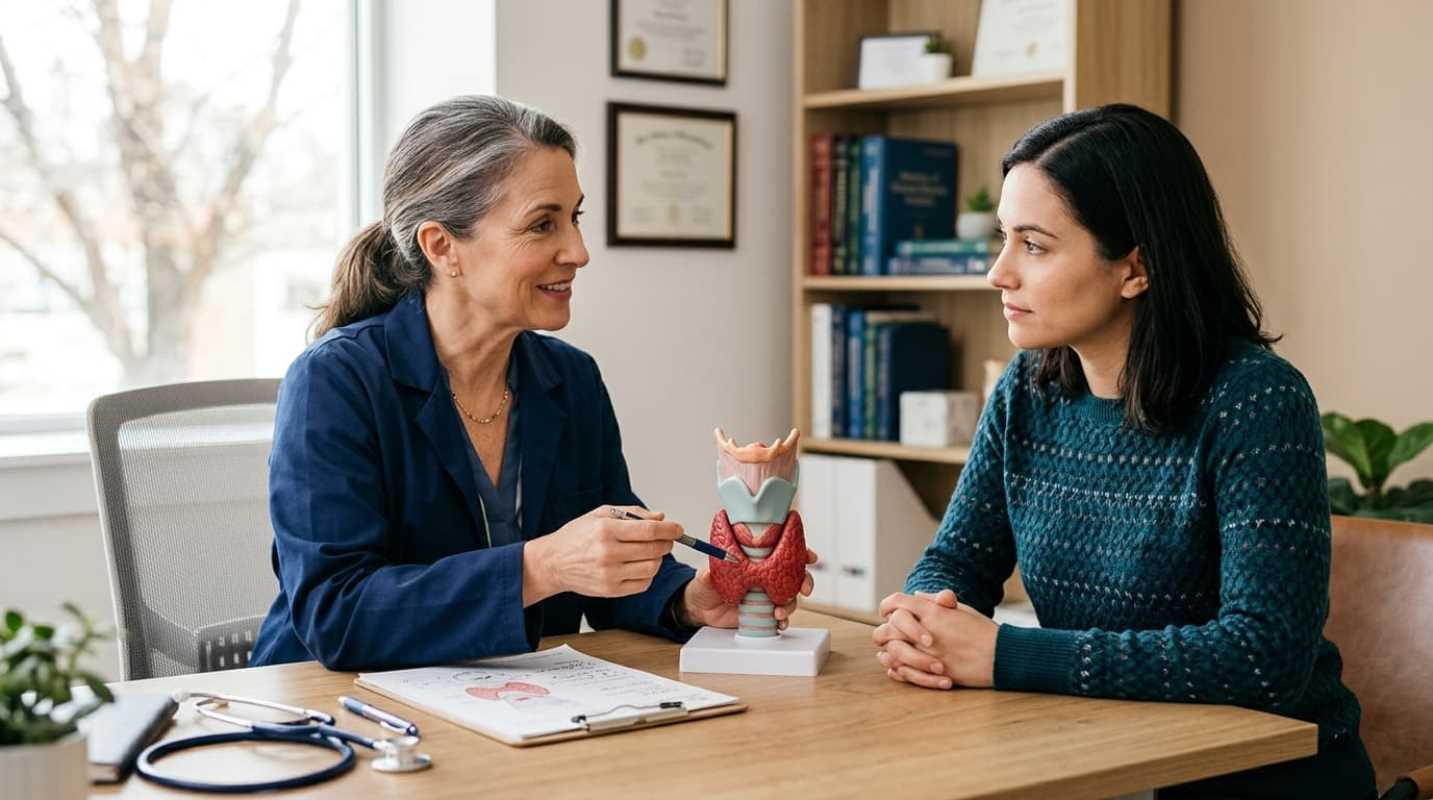
Before you start buying expensive supplements, it is always smart to consult a healthcare professional. They can help you figure out exactly what your specific body needs.
To help you get started on your gut health journey, here are some of our favorite tools, foods, and supplements to support your digestive wellness.
A Healthier Gut and Taking Control of Your Internal Ecosystem
Caring for your gut microbiome is one of the most powerful things you can do for your long-term health, immunity, and longevity. It is not a quick fix or a passing trend. It is a lifelong relationship with the trillions of tiny partners keeping you healthy.
You do not need to change everything overnight. Start with small, sustainable shifts. Swap your afternoon sweet treat for a bowl of yogurt. Take five minutes to practice deep breathing when you feel stressed. Add one new vegetable to your dinner plate tonight.
Your gut is always listening, and every positive choice you make helps build a stronger, more resilient you. Take charge of your internal ecosystem today, your mind and body will thank you for it.
Sources:
1. Max Planck Institute - How Mental States Impact Gut Health
https://www.mpg.de/23468697/how-mental-states-impact-gut-health
2. Intel Market Research - Psychobiotic Supplements Market
https://www.intelmarketresearch.com/psychobiotic-supplements-market-41571
3. University of Toronto Temerty Faculty of Medicine - Study Uncovers How Gut's Microbiome Boosts Immune System Development
https://temertymedicine.utoronto.ca/news/study-uncovers-how-guts-microbiome-boosts-immune-system-development
4. Frontiers in Immunology - Intestinal Permeability and Trained Immunity
https://www.frontiersin.org/journals/immunology/articles/10.3389/fimmu.2025.1673852/full
*This article on Answerhaus is for informational and educational purposes only. Readers are encouraged to consult qualified professionals and verify details with official sources before making decisions. This content does not constitute professional advice.*