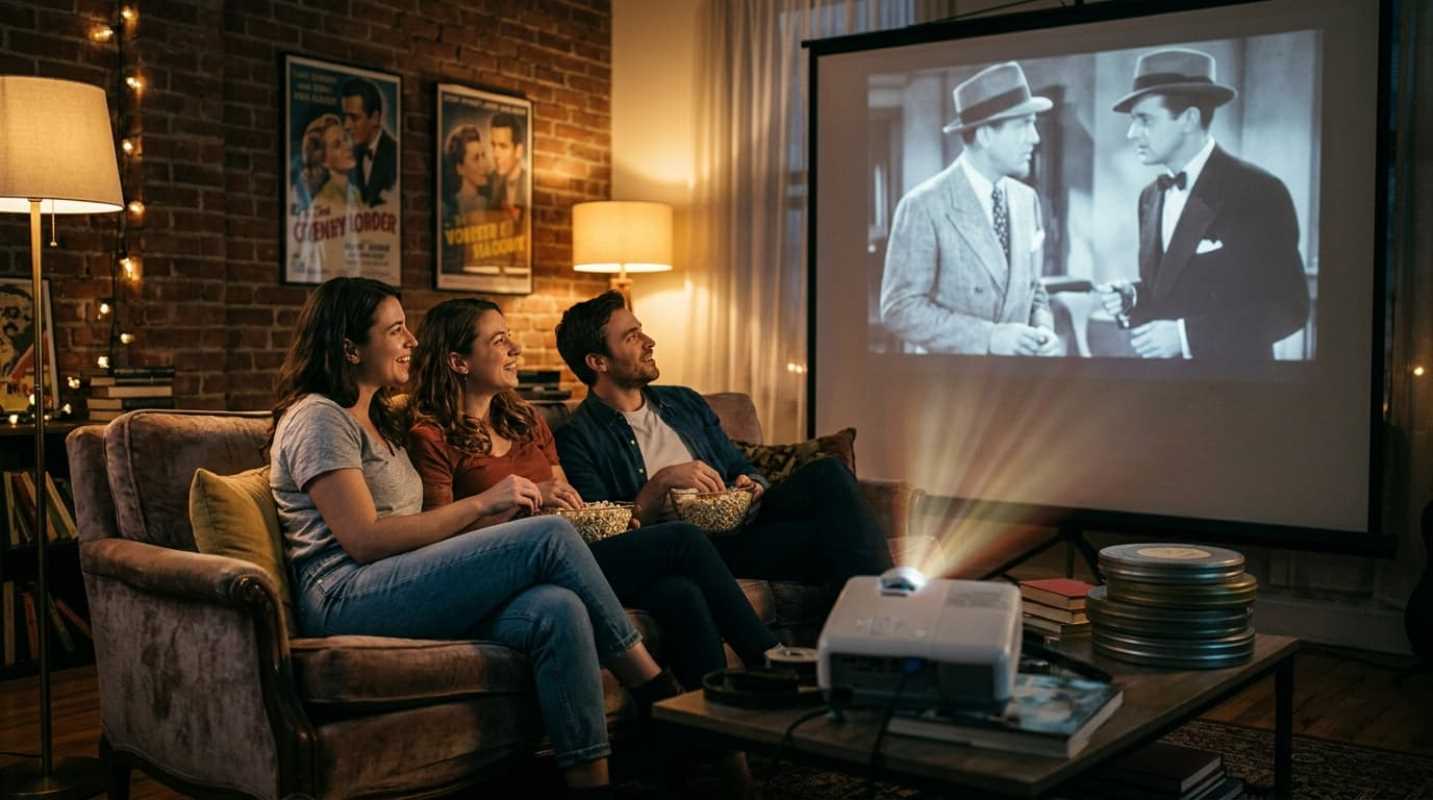
Have you ever walked out of a movie theater completely blown away, only to check the news on Monday and discover that nobody else bought a ticket? You sit there wondering if you lost your mind or if the rest of the world missed something special.
That feeling is far more common than you might think. A movie bombing at the box office on opening weekend rarely means the film is bad.¹ Opening weekend numbers measure marketing efficiency, release timing, and brand awareness. They do not measure artistic value or how much a story will resonate with people ten years down the road.
Some of the most celebrated movies in film history were commercial disasters when they first hit theaters. Fight Club pulled in just $37 million domestically against its $63 million budget because executives struggled to market its satirical edge, famously buying ad spots during professional wrestling broadcasts. The Shawshank Redemption grossed a paltry $16 million in its initial run while getting crushed by Forrest Gump and Pulp Fiction.
When a movie fails financially, studios usually write it off. Yet every now and then, a failed project refuses to stay buried. It quietly builds a loyal following, turning initial rejection into lasting obsession.
The Anatomy of Obsession: What Makes a Cult Classic Endure
Why do certain theatrical failures fade into obscurity while others transform into cultural touchstones? The answer comes down to how audiences build personal connections with overlooked art.
When you love a massive blockbuster, you share that feeling with millions of casual viewers. But when you fall in love with a movie that flopped, your fandom feels like a personal discovery. You feel like an insider who saw past the bad marketing or hostile early reviews.
Several key factors turn forgotten films into lasting favorites:
• Secondary viewing channels: Home video formats like VHS and DVD gave failed movies a second life, allowing curious viewers to rent films risk-free. Today, streaming algorithms and digital libraries serve the exact same purpose.
• Ahead-of-their-time themes: Movies that bomb often challenge whatever narrative trends dominate pop culture at the moment. They push boundaries, lean into dark humor, or present uncomfortable ideas that mainstream audiences are not ready to digest yet.
• Collective fan ownership: Cult classics thrive on grassroots fan participation. From quote-along screenings to online fan forums, fans take active responsibility for keeping the film alive.
A Walk Through Time: Most Beloved Cult Films by Decade
Every generation produces movies that get misunderstood during their initial theatrical runs. Looking back across the decades shows just how dramatically public opinion can shift over time.
In the 1970s, The Rocky Horror Picture Show flopped during its conventional theatrical release. But once it moved to late-night midnight screenings in city theaters, it transformed into an interactive theatrical event. Audiences dressed as the characters, shouted back at the screen, and created a blueprint for modern audience participation.
The 1980s were an absolute goldmine for delayed cinematic appreciation. Ridley Scott's Blade Runner and John Carpenter's The Thing both bombed during the summer of 1982. Both films suffered from terrible release timing, opening right alongside Steven Spielberg's warmhearted hit E.T. the Extra-Terrestrial. Audiences in 1982 were repelled by the grim tone and graphic effects of The Thing, leaving it with a disappointing $19.6 million gross.² Today, movie lovers view both titles as foundational sci-fi masterpieces.
The 1990s gave us Joel and Ethan Coen's comedy The Big Lebowski. Coming off the important success of Fargo, audiences and critics were baffled by the rambling narrative and chaotic humor of the Dude's suburban detective story. It scraped together just $17 million domestically. Over the next decade, midnight screenings, annual fan festivals, and home video rentals turned it into an institution complete with its own actual philosophy.
By the 2000s, real-world events began shaping delayed reception. Donnie Darko arrived in theaters in October 2001, featuring a major plot point about a jet engine crashing through a bedroom ceiling. In the immediate aftermath of September 11, audiences were not in the mood for aviation disasters. The film earned a meager $1.2 million against its $6 million budget.³ Word-of-mouth DVD sales in high school and college dorms eventually turned it into a defining indie classic for a whole generation.
The Streaming Revolution and the Death of the Flop
In the past, a film needed years to recover from a bad box office opening. A movie had to wait for a physical media release, a cable television deal, or a midnight screening circuit to build a fanbase. Today, digital platforms compress that timeline dramatically.
Streaming services remove financial risk for curious viewers. If you see a weird movie on Netflix or HBO Max, you do not have to spend $20 on a ticket to check it out. You just press play. If you like it, you instantly share clips on social media.
Modern platforms like Letterboxd and TikTok act as massive fan-led recommendation engines. David Fincher's Fight Club became the single most-watched movie on Letterboxd, outranking massive billion-dollar blockbusters. Meanwhile, Gen-Z creators on TikTok sparked a major re-evaluation of Karyn Kusama's 2009 horror-comedy Jennifer's Body. Marketed originally as a male-gaze horror film for teenage boys, the movie bombed at $16.2 million domestically. Online fans later rescued it, framing it as a sharp feminist commentary on female friendship and survival.
Even recent theatrical disappointments are finding their people far faster than before. Damian Chazelle's Babylon polarized critics and sputtered at the box office, yet its streaming release triggered intense online debates and a passionate movement defending it as an overlooked epic.
Underrated Cult Classics
If you want to catch modern overlooked gems that are currently building their own cult followings, keep your eye on these titles
• Beau Is Afraid (2023): Ari Aster's three-hour surreal nightmare alienated casual moviegoers, but arthouse horror fans are already treating it as a twisted masterwork.
• Bottoms (2023): This sharp R-rated queer teen comedy had a modest theatrical run before blowing up on digital video platforms and social media.
• Popstar Never Stop Never Stopping (2016): A hilarious mockumentary that flopped in theaters but found an enthusiastic comedy fanbase through viral clips.
Why We Keep Rooting for the Underdog
There is something deeply satisfying about watching a movie overcome initial failure. We like to believe that true creativity eventually wins out over poor marketing choices, tough box office competition, or bad timing.
When you champion a cult classic, you participate in an ongoing conversation about art. Your enthusiasm helps rescue great work from obscurity. You prove that a film's value is not determined by its opening weekend receipts, but by how deeply it connects with the people who eventually discover it.
So the next time you see headlines declaring a unique, weird, or ambitious film a box office bomb, do not write it off. Give it a chance. You might just catch tomorrow's favorite classic long before the rest of the world catches on.
Sources:
1. TMFF - From Box Office Bombs to Cult Classics
https://tmff.net/from-box-office-bombs-to-cult-classics-when-failure-leads-to-success/
2. MovieWeb - Box Office Flops That Became Classic Movies
https://movieweb.com/box-office-flops-became-classic-movies/
3. Business Insider - Cult Classics That Bombed at the Box Office
https://www.businessinsider.com/cult-classics-that-bombed-2016-6