Remember when seeing your favorite video game turned into a movie meant immediate disappointment? You probably sat in a theater back in the day, watching two hours of clunky dialogue and nonsensical plots, wondering if Hollywood producers had ever even picked up a controller. For decades, the video game adaptation curse felt unbeatable.
Things look very different today. Over the last couple of years, streaming networks and movie studios finally figured out how to turn iconic gaming universes into genuine important hits. Instead of cheap cash-ins, we get high-budget shows and films that rack up award nominations and pull in tens of millions of viewers.
TV adaptations can now drive an average 203% boost in game player activity after release.¹ So what changed? The best modern adaptations respect their source material while building stories that work for people who have never held a game controller in their lives.
The Secret Sauce Behind Successful Adaptations
If you want to understand why recent shows hit the mark, look at how creators treat the source material. Old adaptations tried to copy exact gameplay loops or cutscenes frame by frame. That approach usually fails because sitting back and watching a screen is completely different from actively controlling a character.
A great adaptation captures the spirit of the game world rather than copying its mechanics step by step. It focuses on theme, tone, and character dynamics.
Hollywood stopped locking out game creators. Today's top adaptations bring the original game directors into the writing room.
• Direct creator involvement - Neil Druckmann helped showrun The Last of Us for HBO, while Todd Howard guided the lore for Amazon's Fallout.
• Moving to television - Modern story-driven games take 30 to 80 hours to finish. Stretching those stories over an eight-episode TV season gives characters room to breathe, whereas a two-hour movie forces cuts that ruin the narrative.
• Expanding the canon - Instead of repeating stories players already know, creators write new tales within the established universe.
• Genuinely passionate filmmakers - Modern directors and screenwriters grew up playing these exact games, so they approach the world with natural respect rather than cynicism.
Case Studies of Excellence
Let's look at the projects that set the new standard for the industry. Amazon's Fallout stood out as a massive victory. Season 1 grabbed a 94% critic score on Rotten Tomatoes and earned 17 Emmy nominations.² When Season 2 hit screens, it jumped to a 98% rating, setting a record for live-action game shows.³
Why did Fallout work so well? Instead of forcing game protagonist mechanics into a film script, the writers created brand new characters who embodied classic game archetypes. Lucy represented the naive vault dweller, while the Ghoul showed the gritty survival instinct of the wasteland. The show captured the dark humor and retro-futuristic horror of the games without feeling like an endless fan video. Following the first season, active players across the Fallout games jumped by 490%.
HBO's The Last of Us took a different path by staying closely tied to its core narrative, winning Best Adaptation at The Game Awards. The showrunners knew when to follow the game closely and when to branch out. Take the famous episode featuring Bill and Frank. In the game, Frank is already dead when you arrive. The TV show expanded their relationship into a moving drama that deepened the world without ruining the main story.
Then you have Netflix's Arcane, which hit a perfect 100% critic score across two seasons. It transformed a competitive multiplayer game with minimal active storytelling into a visual masterclass about sisterhood, class conflict, and political corruption.
If you want to watch the absolute best game-to-screen transfers, here is where you should start
Visual Language and World Building
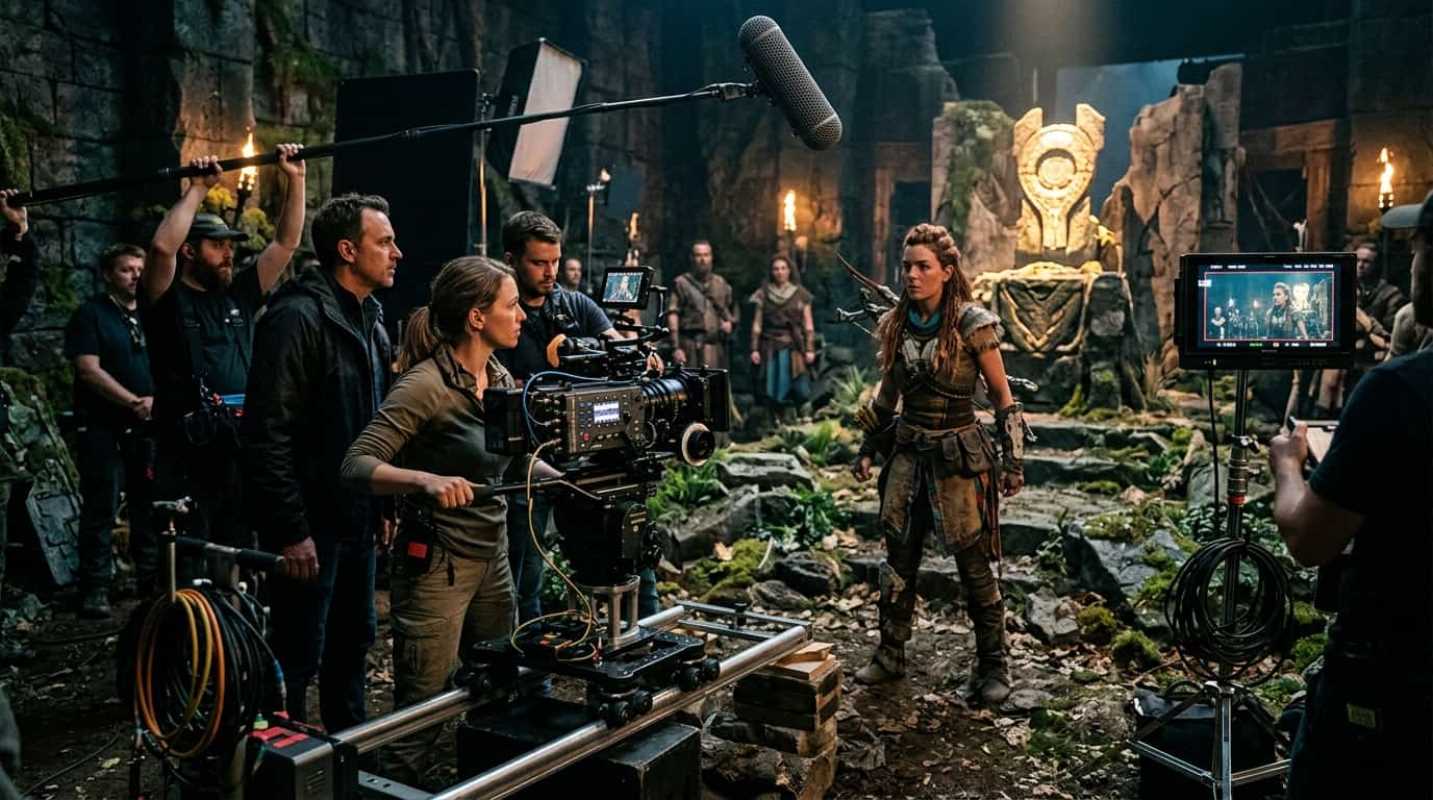
Have you ever noticed how older game movies looked like cheap plastic sets? Modern productions solved this by blending digital visual effects with heavy practical sets and authentic prop design.
When you watch Fallout, those suit pieces for the Power Armor are physical props that actors actually wore on set. That tactile weight makes every scene feel real.
Sound design plays a huge role in immersion too. When a character in The Last of Us hears a Clicker making its horrifying echo sound in a dark hallway, players feel an immediate rush of familiarity while non-players get genuine horror chills.
Director tools have matured to a point where visual effects match the raw detail of modern game engines. But technology alone does not save a project. You still need directors who understand cinematic tension. If a show gets caught up in endless CGI action scenes without emotional stakes, audiences tune out quickly. Look at 2024's Borderlands film, which stumbled with a 10% rating because it relied on generic tropes and surface-level jokes without building emotional heart.
Where the Medium Goes From Here
We have entered a golden age for video game adaptations. Studios realize that video game franchises hold rich, complex stories that rival classic literature and comic books.
Hollywood producers no longer look at games as quick cash grabs aimed only at teenagers. They treat them as prestige intellectual property that can anchor major television networks and theatrical franchises.
What does this mean for you as a viewer? It means you no longer have to cringe when your favorite game gets greenlit for a show or film. Creators finally treat the material with care, hiring people who love the games to tell stories that hold up on their own merits. Whether you have logged hundreds of hours in a game or never touched a controller, you get great television.
Sources:
1. Research: Video game TV adaptations significantly boost players
https://www.advanced-television.com/2025/09/16/research-video-game-tv-adaptations-significantly-boost-players/
2. Success of Fallout proves video game adaptations have gone mainstream
https://www.theguardian.com/tv-and-radio/2024/apr/19/success-of-fallout-proves-video-game-adaptations-have-gone-mainstream
3. Fallout Season 2 Just Set Three Rotten Tomatoes Records
https://www.forbes.com/sites/paultassi/2025/12/18/fallout-season-2-just-set-three-rotten-tomatoes-records/