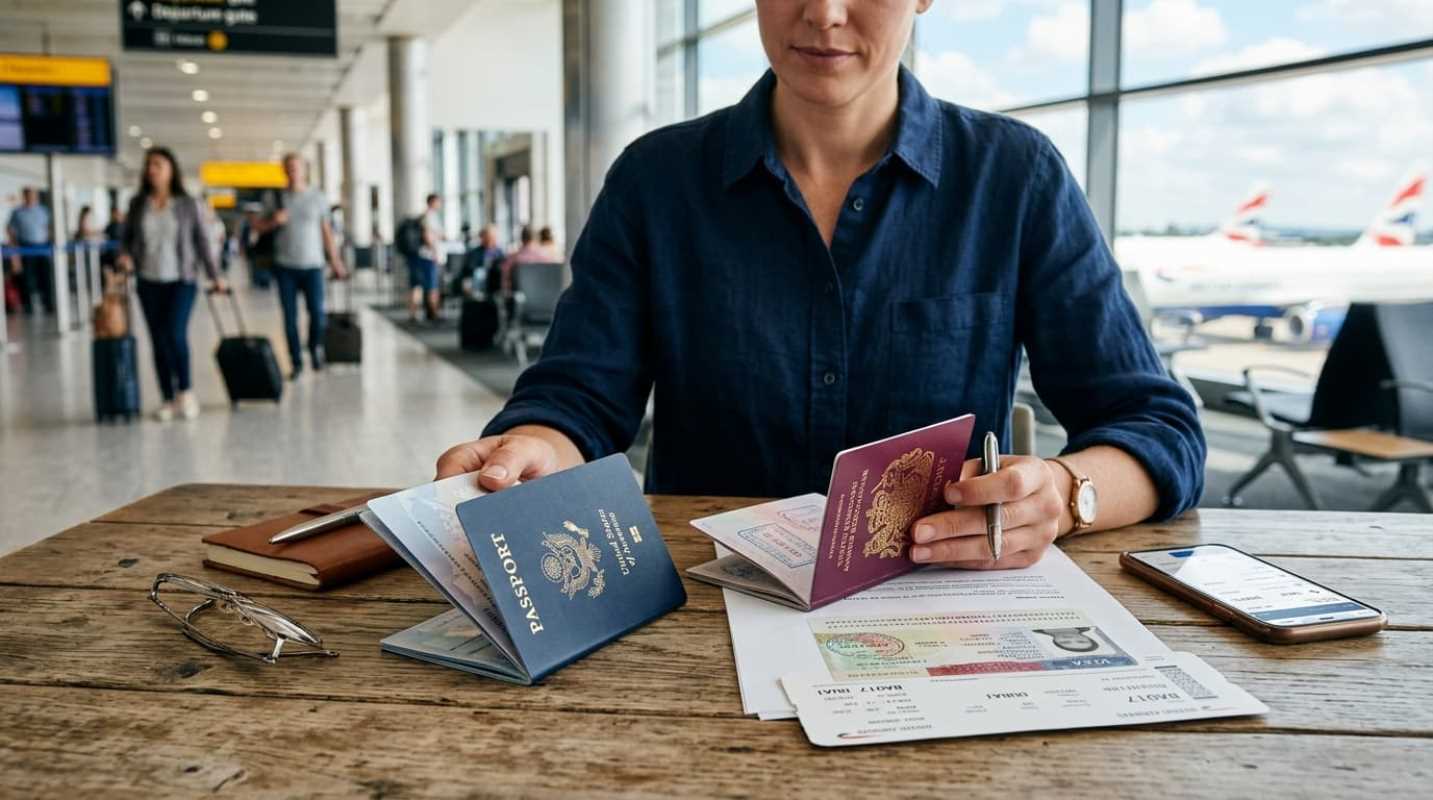
Picture this: You are standing in a packed airport security line, holding three heavy bags, while your four-year-old throws a total fit on the floor over a dropped cracker. Your heart rate spikes, and you wonder why you ever thought taking a holiday was a good idea. Have you been there?
If so, you are definitely not alone. Family travel is at record highs, with 92% of parents planning to travel with their kids this year.¹ Yet, as every parent knows, transit days can test even the calmest nerves. Long drives and flights disrupt sleep, trigger sensory overload, and strip away the familiar routines kids rely on to feel safe.
The secret to surviving long trips isn't hoping your kids will magically sleep the entire way. It comes down to smart preparation, understanding what triggers travel fatigue, and changing how you approach the journey. When you treat transit as part of the adventure rather than just a hurdle, you set the entire family up for success.
Mastering the Art of Packing for Family Trips
Packing for a family trip requires a tactical approach. You aren't just packing outfits for the beach. You are building an in-flight or on-the-road survival kit that keeps meltdown triggers at bay.
To keep your gear functional and accessible, split your packing into distinct categories.
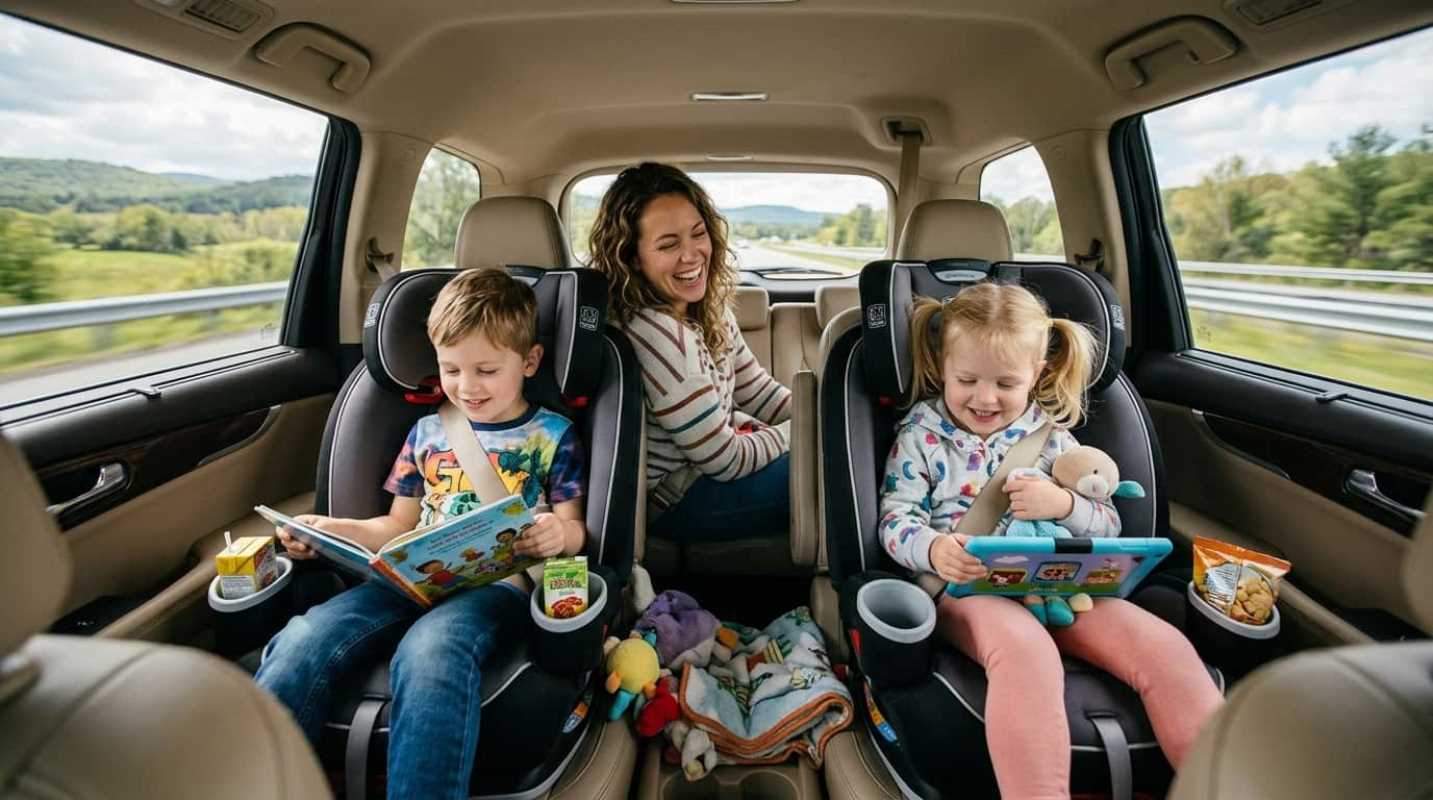
• The Comfort Kit: Put together a dedicated personal bag for each child containing a favorite stuffed animal, cozy socks, and a light blanket. Physical comfort provides an immediate emotional anchor when environments get chaotic.
• Bento Box Snacktivity: Skip giant, messy bags of chips or sugary snacks. Instead, pack multi-compartment bento boxes filled with small, colorful finger foods like blueberries, cheese cubes, pretzels, and seeds. Opening the tiny latches turns snacking into an extended motor-skill game that keeps small hands busy.
• Low-Mess Tactile Toys: Pack items like rolls of painter's tape, reusable sticker books, and Water Wow pads. Painter's tape is an absolute lifesaver because kids can tear it and stick it all over airplane tray tables or car seats, and it peels off without leaving any residue.
• The Emergency Grab Bag: Always keep a separate pouch at the top of your carry-on containing disinfectant wipes, extra clothes for everyone, and sealable bags for dirty items.
Keeping Kids Entertained Although Traveling Beyond Screens
Screens are a wonderful tool, but relying on them for ten straight hours often leads to cranky, overstimulated kids when the battery dies. The best approach is mixing digital entertainment with tactile, low-tech fun.
Try using a novelty toy rotation approach. Buy a few low-cost items from a dollar store before your trip, wrap them up like small presents, and store them in your bag. Every two hours, or whenever boredom strikes hard, hand over a wrapped surprise. The simple act of unwrapping creates instant excitement and breaks up long stretches of time.
Audiobooks and kid-friendly podcasts are another fantastic screen-free option. They keep children engaged without staring at a glowing display, which helps prevent motion sickness during long drives. You can also give older kids a blank travel notebook and glue sticks so they can collect ticket stubs, brochure cutouts, and stickers along the way.
Managing Schedules and Meltdowns on the Road
When a toddler screams on a plane, or a young child kicks your seat for two hours, it helps to realize what is actually happening. Child behavior specialists emphasize that travel meltdowns are almost always nervous system dysregulation rather than deliberate misbehavior.² Sitting in a tight seat for hours goes against a child's natural urge to move, while bright lights and loud noises flood their senses.
So how do you keep the peace? Flexibility wins over rigid schedules every time. Stick to broad routine anchors, like regular meal times and nap windows, but don't stress if exact timings shift.
Here are proven tactics for handling dysregulation on the road:
• Use Hidden Resources: Over 16 major U.S. airports now feature quiet sensory rooms equipped with soft lighting and beanbags. Many airports also participate in the Sunflower Lanyard program, where a discreet lanyard alerts airport staff that your child has hidden sensory needs and may require extra time or care.
• Cap Your Drive Time: On road trips, limit driving to six or seven hours a day and schedule a mandatory 20-minute physical break every two hours. Let kids run, jump, and burn off energy at a park or rest area.
• Practice Parental Co-Regulation: Children feed directly off your emotional energy. Before reacting with panic or frustration, take three deep, slow breaths. Calmly validate their feelings instead of shaming them. A simple statement like "I know it is loud, and you are tired, but I am right here with you" helps ground them.
• Sensory Reset Exercises: Teach young kids simple breathing games like "Flower and Candle", where they inhale deeply to smell an imaginary flower and exhale slowly to blow out a candle. For kids six and older, try the 5-4-3-2-1 grounding game, asking them to name five things they see and four things they can touch.
Pro-Tips for Seamless Transitions and Arrivals
One of the most effective ways to make sure a smooth trip starts long before you head to the airport or hit the highway. Involve your kids directly in the planning stage.
Research shows that 81% of parents consult their children on travel choices, and giving kids a say in the itinerary makes them far more adaptable and excited during the journey.³ Let your child pick one activity for each destination, whether it is visiting an ice cream parlor or stopping at a specific park. Giving them small responsibilities, like pulling their own suitcase or holding their boarding pass, gives them a sense of ownership over the trip.
When you finally arrive at your accommodation, take fifteen minutes for a low-key transition. Let everyone stretch, unpack their comfort items, and acclimate to the new space before rushing out to explore.
Once you get home, sit down together for a casual post-trip chat. Ask your kids what their favorite moments were and what felt hard. Taking note of what worked and what didn't will make your next family adventure even smoother.
Sources:
1. The Wander Years: Family Travel Is Booming
https://www.familytravel.org/2026/01/28/the-wander-years-family-travel-is-booming/
2. How to Support Regulation Although Traveling or On Vacation
https://www.childtherapycenterla.com/post/how-to-support-regulation-while-traveling-or-on-vacation
3. FTA Research Highlight: Kidfluence
https://www.familytravel.org/2025/11/13/fta-research-highlight-kidfluence/