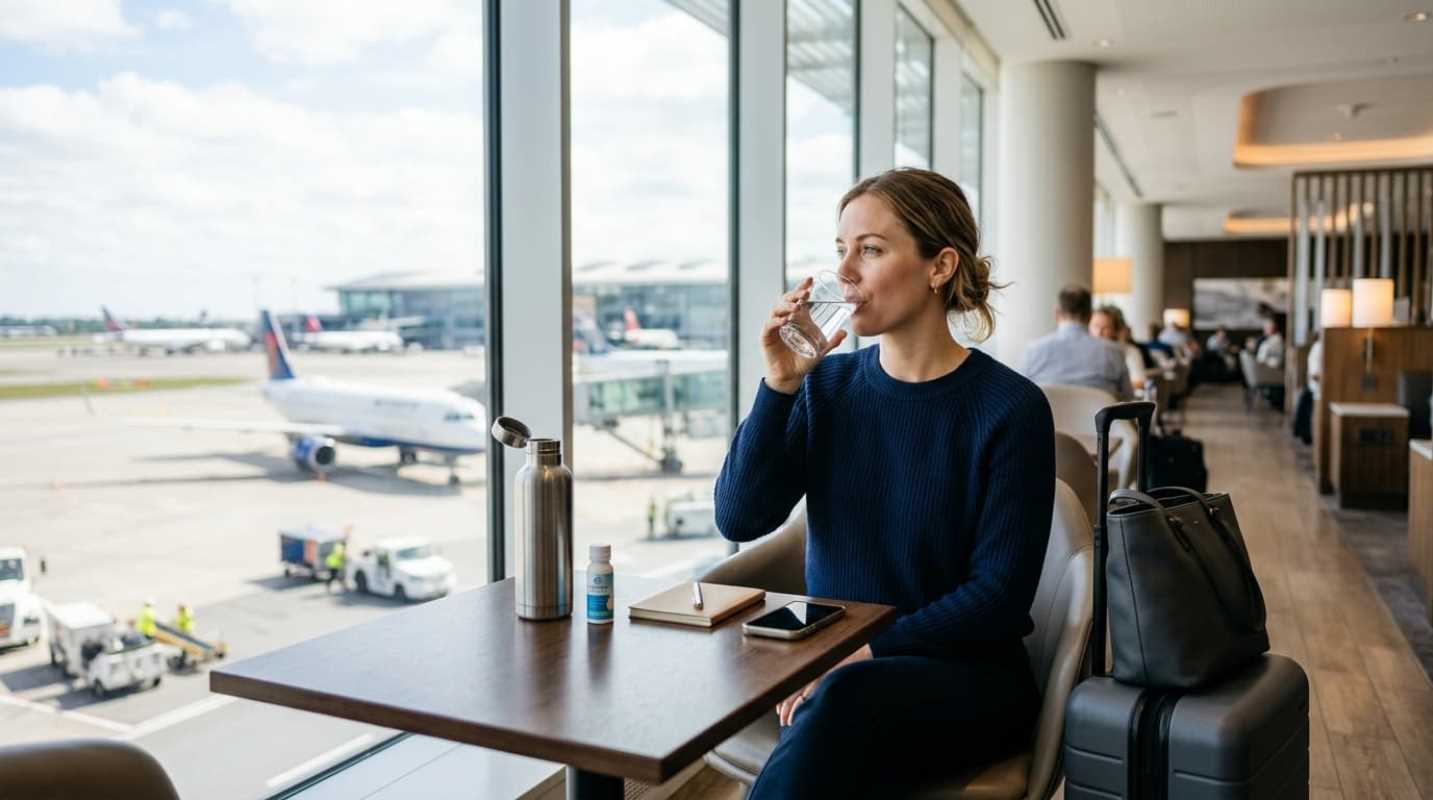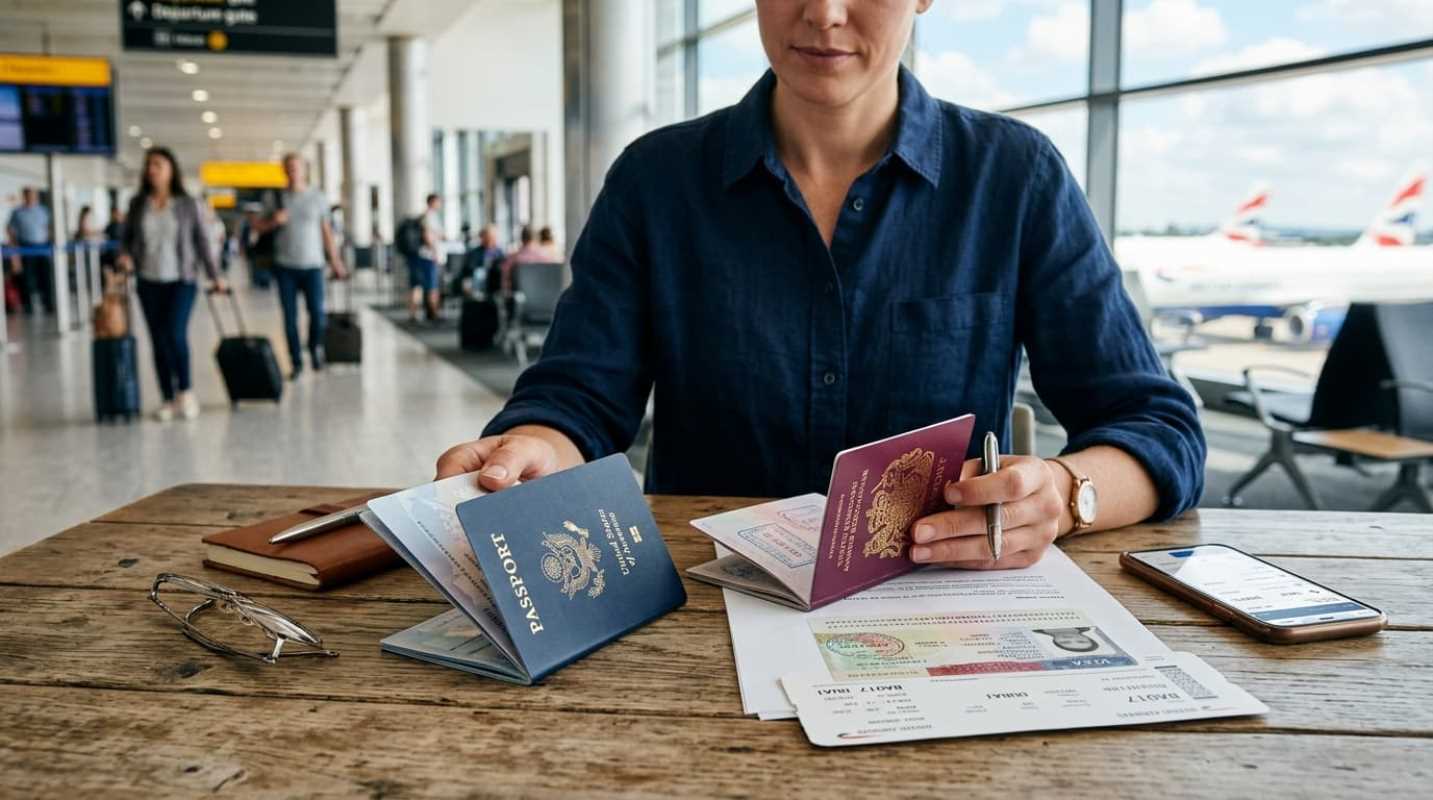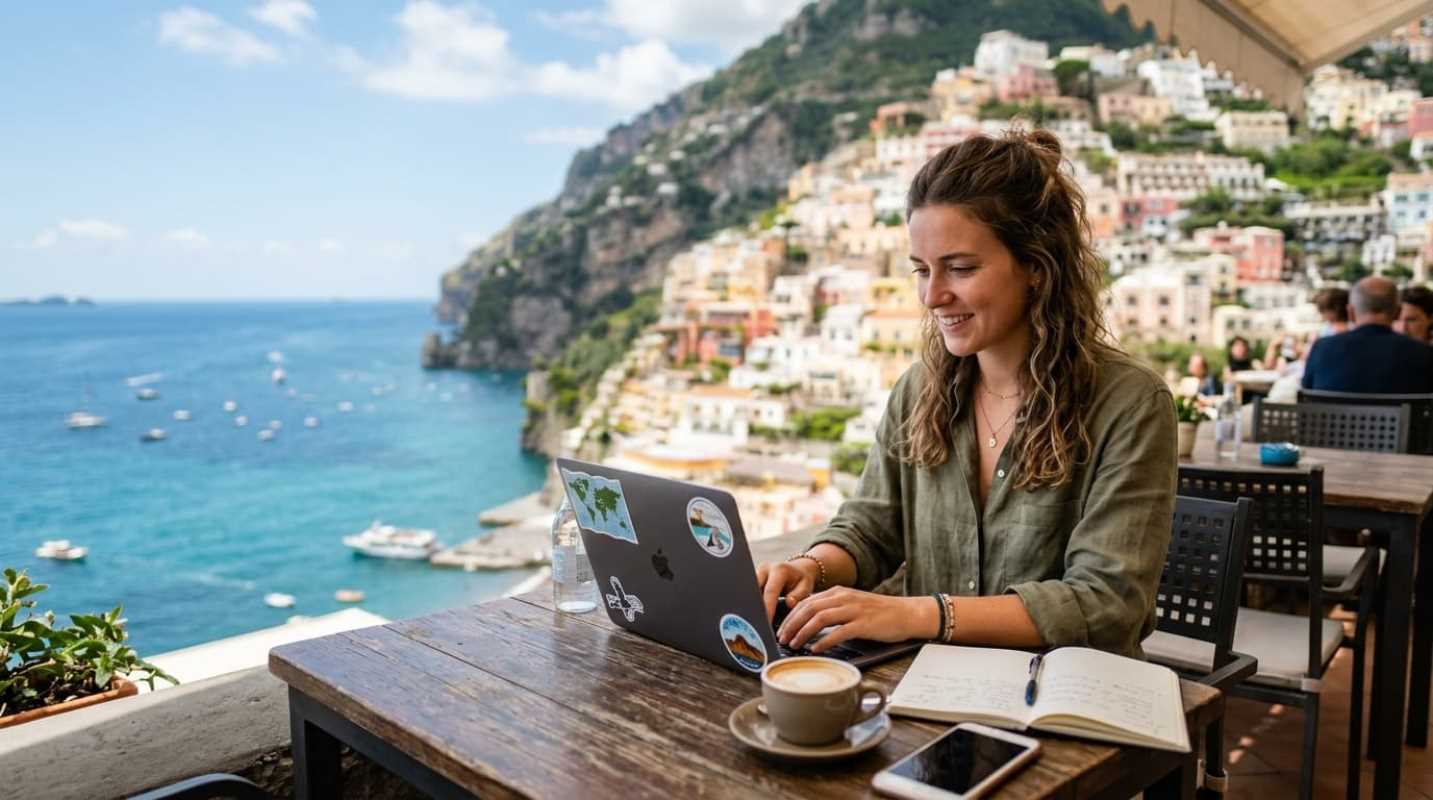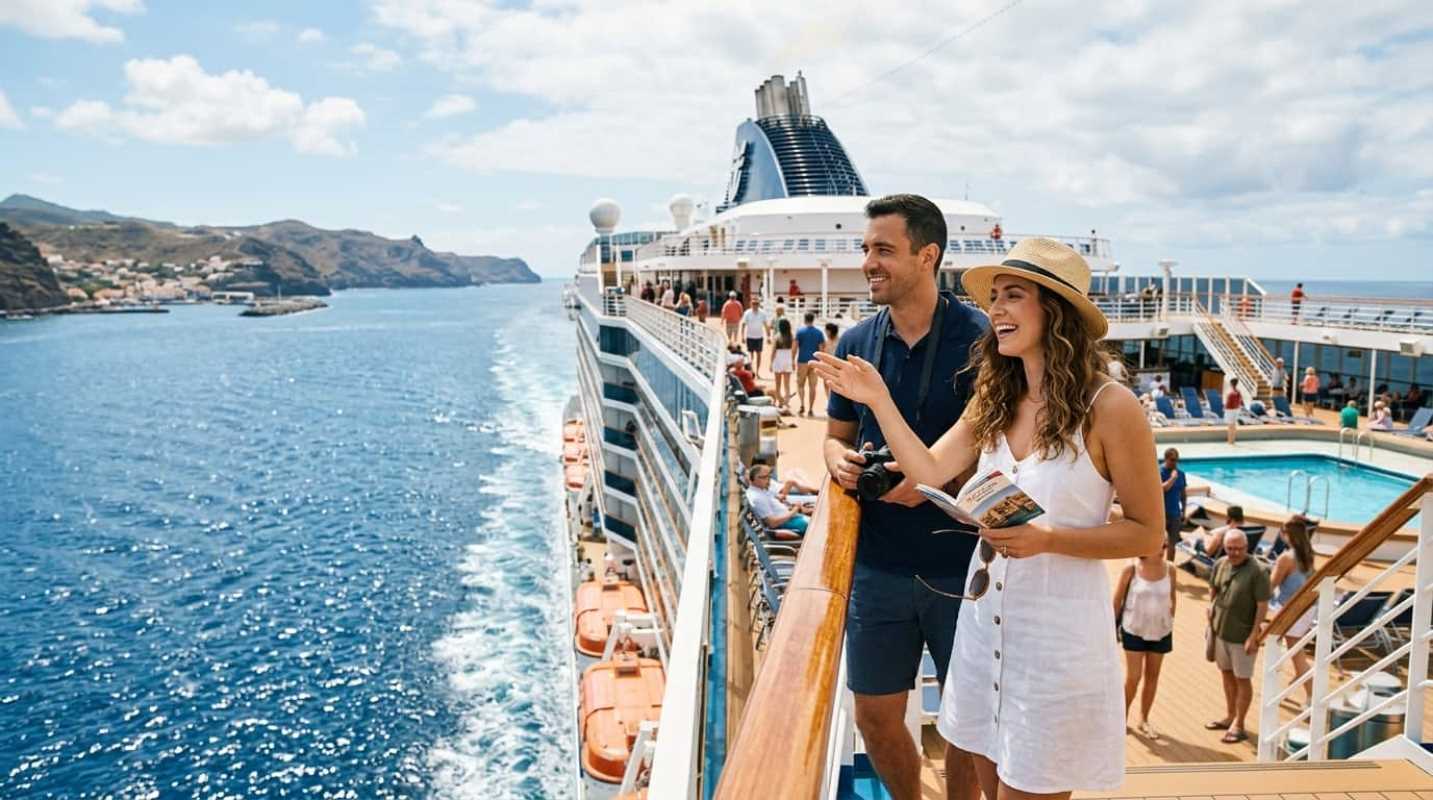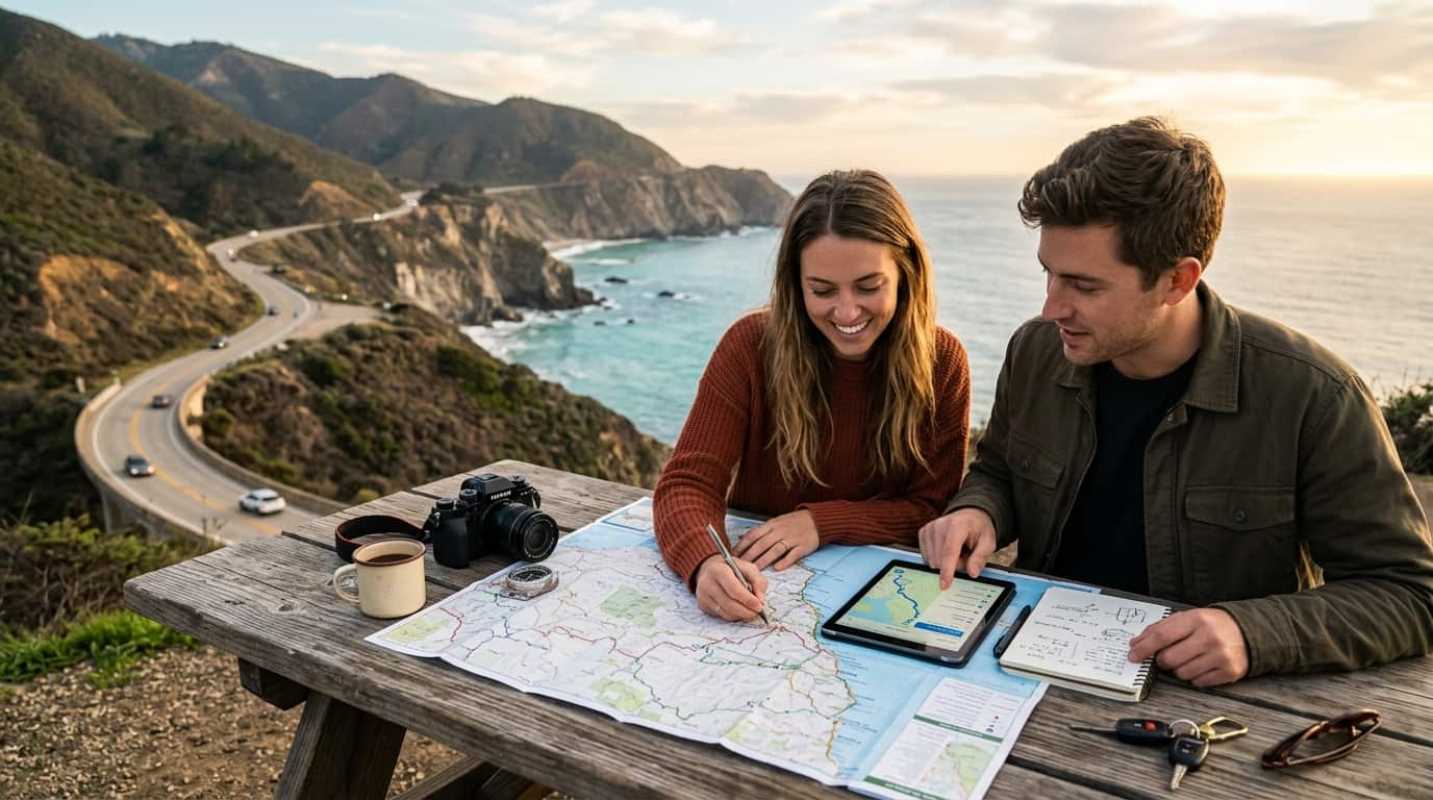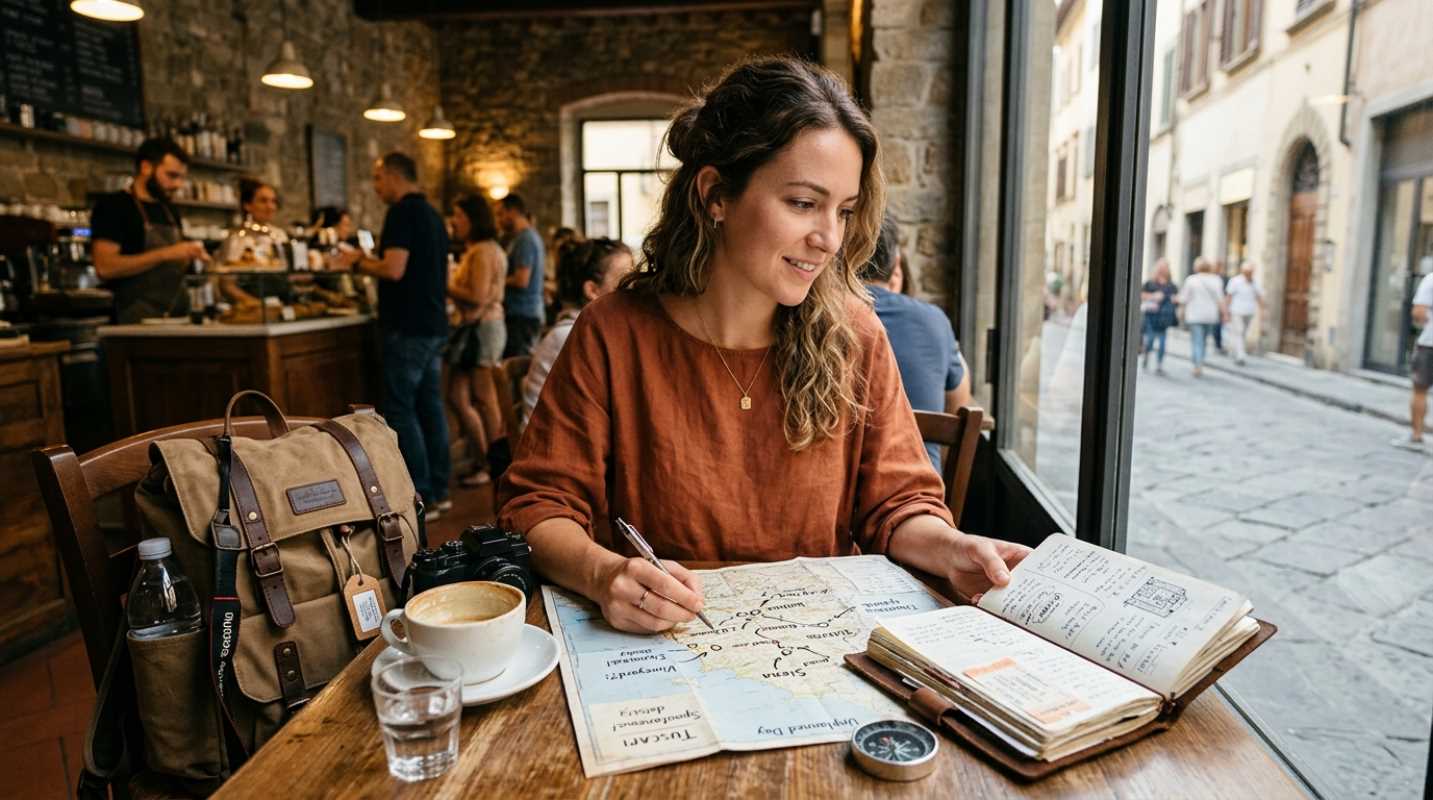
Solo travel is having a massive moment right now. Walk into a hostel in Lisbon or a cafe in Tokyo, and you'll find people exploring the world entirely on their own terms. Recent travel data shows that nearly half of global travelers (47%) regularly take solo trips, a movement led by Gen Z and Millennials.¹ Hostelworld reported a massive 35% jump in solo bookings, with women making up the vast majority of these independent adventurers.² A survey by Solo Traveler reveals that 62% of solo travelers plan to take multiple trips a year, with most spending between $1,000 and $3,000 per trip (excluding airfare).³
But there's a catch. Because we often plan these trips months in advance (159 days on average, to be exact), we tend to over-schedule. We fall into a trap of our own making. This is the state where you become the stressed-out manager of your own vacation, running from one pre-booked tour to the next. How do you build a safety net without killing the magic of the unexpected?
The Art of the Skeleton Itinerary
Over-planning is the fastest route to travel burnout. When every hour of your day is scheduled, travel starts to feel like a checklist. You lose the freedom to say yes to a sudden invitation or spend an extra three hours reading in a gorgeous park.
To avoid this, you need to define your non-negotiables. These are your true anchor experiences, the things you absolutely must do. Everything else should be treated as completely optional.
A great way to manage your expectations is the 50/50 rule. This concept suggests that you should expect half of your trip to be amazing and the other half to be a hassle. Trains will be delayed, restaurants will be closed, and it'll rain when you wanted sunshine. Accepting this gap between expectation and reality keeps you calm when things go sideways. It turns a ruined plan into an unexpected adventure.
Mastering the Buffer Zone
How do you actually build flexibility into your calendar? You do it by intentionally scheduling empty blocks of time. Think of this as creating a buffer zone.
A good rule of thumb is to leave at least one half-day completely unplanned for every three days of travel. You can also use the "one hour, one day" rule popularized by experienced solo travelers like Ashley Probst.⁴ This means that for every hour you spend in transit, you give yourself at least one full day at your destination. A long ten-hour flight means you should stay at least ten days. This slower pace naturally creates pockets of quiet, unscheduled time.
Why is this empty space so valuable? It gives you the freedom to recover from travel fatigue or act on local recommendations. When a barista tells you about a hidden beach or another traveler invites you to get tacos, you actually have the time to say yes. This unscheduled time is usually when you meet locals and make your best memories.
Needed Solo Trip Tips for On-the-Fly Decisions
Winging it doesn't mean being reckless, especially when you're traveling alone. You can use modern technology as your safety net to make quick, safe decisions on the go.
Here are a few ways to master last-minute planning
• Use AI for quick logistics: Apps like Wanderlog and Polarsteps can help you organize your ideas without forcing you into a rigid schedule. You can use them to generate quick, on-the-go afternoon itineraries based on where you're standing right now.
• Try connection apps: If you want to meet people without booking a rigid group tour, look into apps like NomadHer (designed for solo female travelers) or Roamate. They let you connect with other travelers to share a meal or split a taxi.
• Keep a safety-first mindset: When making spontaneous plans, always trust your gut. Share your live location with a friend back home, use reputable transport apps instead of hailing random cabs at night, and keep an eSIM active for constant data access.
The most important skill you can develop is the confidence to change your mind. If you arrive at a museum and the line is three hours long, walk away. If you don't feel like doing the activity you planned, cancel it. You're the boss of this trip.
Balancing Structure and Freedom
To get the best of both worlds, you need to balance your anchor activities with open afternoons. Try to schedule only one major must-do activity per day. This could be a morning museum visit or a food tour. Leave the rest of the day completely open.
Your accommodation approach also plays a huge role in how flexible you can be. Many seasoned solo travelers use the bookends method to keep their options open.
• The Bookends Method: Book a high-quality, safe place to stay for your first two nights and your very last night of the trip. This gives you a soft landing to get over jet lag and a guaranteed place to sleep before your flight home. Leave the middle of the trip unbooked so you can change your route based on weather, mood, or new friends.
• Save Places, Not Plans: Instead of booking specific times for every restaurant, open Google Maps and pin fifteen to twenty interesting spots. When you find yourself with a free afternoon, open your map to see what's nearby. You're wandering with a purpose, but without a strict schedule.
• The Day-One Food Tour: Book a local food walking tour on your very first day. It gets you fed, helps you find your bearings, and introduces you to a local guide. You can ask this guide for insider recommendations to fill your open calendar blocks for the rest of the week.
Top Recommendations for Solo Travel Tools
When you want to stay flexible without getting lost, having the right digital tools on your phone is a game-changer. These apps act as your virtual safety net.
Trusting Your Solo Instincts
Planning a trip this way might feel a bit scary at first, especially if you're a natural planner. But leaning into the unknown is where the real magic of solo travel happens. It forces you to check in with yourself every morning and ask, "What do I actually want to do today?"
When you stop treating your itinerary like a checklist, you open yourself up to the serendipity of travel. You might end up spending an afternoon chatting with a local artist, or finding a quiet courtyard that wasn't mentioned in any guidebook. These unscripted moments are always the ones you'll remember long after you return home. Trust your instincts, leave some blank space on your calendar, and let the adventure unfold.
Sources:
1. Forbes: Travel Trends Report
https://www.forbes.com/sites/angelinavillaclarke/2024/11/27/travel-trends-report-2025-solo-travel/
2. Hostelworld: State of Solo Travel
https://www.hostelworld.com/state-of-solo-travel
3. Condor Ferries: Solo Travel Statistics
https://www.condorferries.co.uk/solo-travel-statistics
4. Wander All Year: Planning a Route for Extended Travel
https://wanderallyear.com/2019/08/29/planning-a-route-for-extended-travel-our-familys-adventure-year-with-kids/