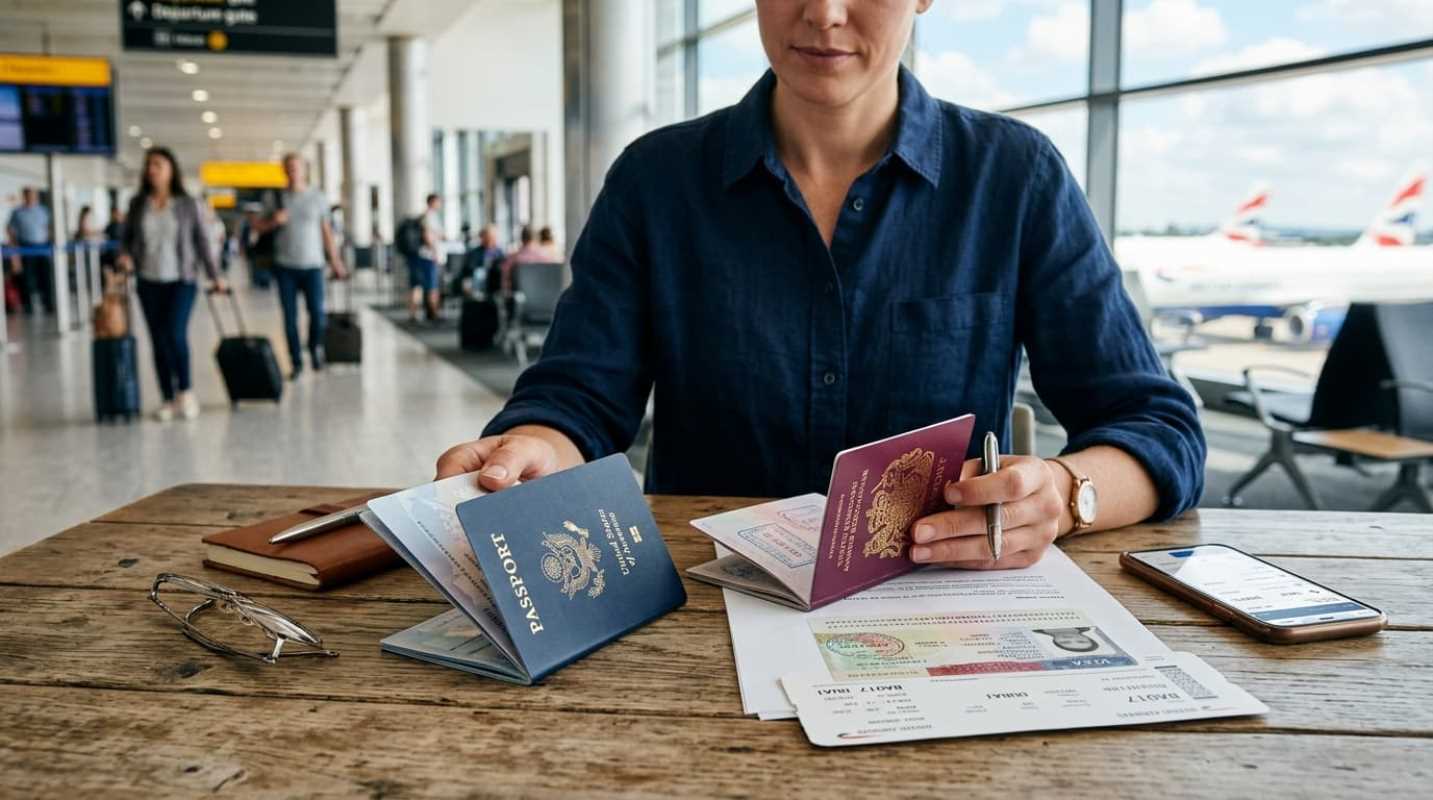
Imagine standing at the airport check-in desk, luggage packed and spirits high, only to have the airline agent tell you that you cannot board. It happens more often than you think. A minor detail like an expiration date that is slightly too close or a lack of blank pages can kill a dream vacation before you ever leave the terminal.
Managing your travel documents does not need to be a source of stress. When you understand what immigration officials and airline representatives look for, you stay completely in control.
So what does proper travel document preparation actually look like? In this guide, you will learn the exact timelines for passport renewals, how to make sense of international visa rules, and how to avoid the common errors that leave unprepared travelers stranded.
Mastering Passport Renewal and Application Timelines
Waiting until the last minute to renew your passport is a gamble you never want to take. U.S. routine processing generally takes four to six weeks, but mailing times on both ends can stretch your total wait to ten weeks.¹
If you find yourself in a rush, expedited processing shortens the waiting period to two or three weeks for an extra sixty-dollar fee. But why pay extra money when planning ahead costs nothing?
Have you checked your passport expiration date lately? Here is a surprise for many travelers: a passport expiring in four months might already be useless for your next trip. Many countries in Asia, South America, and the Middle East enforce the strict six-month rule, which requires your passport to remain valid for at least six months beyond your entry or departure date.² Meanwhile, European nations in the Schengen Area generally require three months of validity beyond your planned departure date.
Here are practical steps to make sure your passport application or renewal goes smoothly:
• Audit your expiration dates early: Set a calendar reminder to check your passport nine months before any planned international trip.
• Skip third-party couriers: Apply directly through official government portals instead of paying hundreds to private expediting services that cannot bypass official queue limits.
• Get your photo right the first time: Take your passport photo against a plain white background with good lighting, and do not wear glasses, headwear, or heavy uniforms.
• Track your application online: Use official government tracking tools to follow your passport status so you can address processing issues immediately.
Navigating Visa Requirements by Country
Not all passports open the same doors, and entry requirements vary dramatically depending on where you hold citizenship. Understanding how different countries control their borders makes sure you won't face surprises at check-in.
Border permissions usually fall into a few distinct categories, and knowing the difference saves you time and money.
• Visa-free entry: You present your valid passport at immigration and receive an entry stamp without applying for prior clearance.
• Electronic authorizations and eVisas: You fill out a brief digital form online before your flight and pay a small fee. Europe's ETIAS system and the UK's ETA requirement are modern examples of this digital pre-clearance approach.
• Visa on Arrival: You purchase your entry permit at the arrival airport upon landing, often at a dedicated desk before reaching passport control.
• Traditional consulate visas: You must submit your physical passport to an embassy or consulate weeks before travel so officials can paste a full-page visa sticker inside.
Always check official embassy websites for your destination rather than relying on old blog posts or travel forums. Entry rules update frequently, and airlines will flatly deny boarding if you lack required documentation because carriers face massive financial penalties for carrying ineligible passengers.
Common Travel Document Mistakes That Ruin Trips
Even travelers with valid passports and approved visas can get turned away over subtle document flaws. Airlines inspect physical passport books thoroughly at check-in, and small details matter immensely.
Avoid these frequent trip-ruining errors before you head to the departure terminal:
• Ignoring physical damage: Water stains, loose bindings, torn pages, or pet chew marks can invalidate your passport. If an automated scanner cannot read your data page, border control will reject it.
• Running out of blank visa pages: Many countries in Africa and Asia require at least two completely blank, unstamped visa pages marked "VISAS" for entry stamps.³ Amendment pages at the back of your passport do not count.
• Name mismatches on tickets: Your airline ticket name must match the name on your passport data page letter for letter. Omitted middle names or un-updated maiden names frequently trigger check-in rejections.
• Lacking proof of onward travel: Countries like Costa Rica, the Philippines, and Colombia require proof that you plan to leave, such as a confirmed return flight ticket.
Pro Tips for Keeping Your Documents Safe and Organized
Losing your documents in a foreign country sounds terrifying, but smart organization keeps a minor mishap from becoming a full-blown emergency.
Creating digital and physical backups before departing gives you an instant safety net.
• Store digital copies in the cloud: Save crisp PDF scans of your passport photo page, active visas, and insurance cards in a secure cloud folder that you can access from any device.
• Separate physical duplicates: Print two color copies of your passport data page. Keep one copy in your main luggage and give another copy to a trusted family member back home.
• Use hotel safes wisely: Lock your physical passport in your hotel safe while exploring, unless local laws specifically mandate that tourists carry original passports at all times.
What should you do if your passport is lost or stolen abroad? Do not panic. File a police report with local authorities immediately to establish proof of theft, then head directly to the nearest embassy or consulate of your home country. With your digital backups and police report in hand, officials can issue an emergency replacement passport to get you home safely.
Travel Confidently and Prepared
Taking charge of your travel paperwork is one of the simplest ways to guarantee a smooth trip. When you take care of administrative details far in advance, you remove the stress that so often accompanies international travel.
Build a quick pre-departure habit before every trip. Check your passport expiration date, count your remaining blank pages, double-check visa policies on official embassy portals, and upload fresh digital copies to secure cloud storage.
Handling these paperwork basics early allows you to focus on what travel is actually about: exploring new places, enjoying incredible experiences, and making memories with complete peace of mind.
Sources:
1. U.S. Department of State - Passport Processing Times
https://2021-2025.state.gov/reducing-u-s-passport-processing-times/
2. VFS Global - The Six-Month Validity Rule
https://www.vfsglobal.com/en/individuals/insights/six-month-validity-rule-explained.html
3. Open the Magazine - The Blank Page Passport Rule
https://openthemagazine.com/world/the-blank-page-passport-rule-explained-what-it-is-and-why-every-traveller-needs-to-know-2
*This article on answerhaus is for informational and educational purposes only. Readers are encouraged to consult qualified professionals and verify details with official sources before making decisions. This content does not constitute professional advice.*