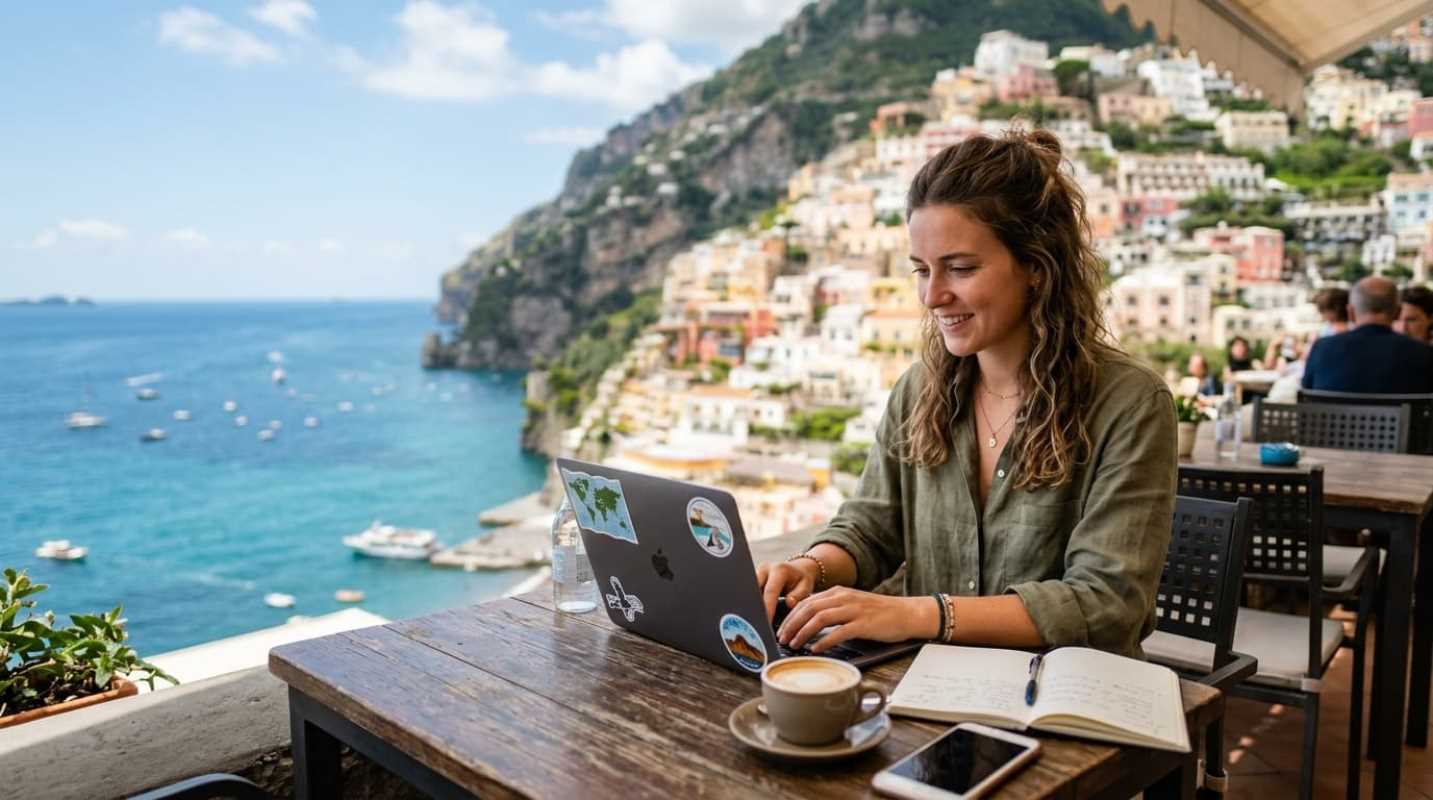
Imagine answering emails with an espresso in Lisbon or finishing a weekly project from a cafe overlooking the beach in Bali. Sounds like a dream, right? In 2026, working while traveling is no longer just a trend for freelance software developers or travel bloggers. The remote work world has matured rapidly, with the number of American digital nomads reaching 18.5 million, representing about 12% of the U.S. workforce.¹ Globally, that number tops 45 million, with corporate employees making up over 60% of the movement.
The biggest shift happening right now is moving from a "vacationing" mindset to actually living abroad. A vacation is about cramming as many tourist spots into seven days as possible. Living and working remotely is completely different. You need a normal life, a repeatable schedule, and a reliable setup, just in a different location.
So what does this actually mean for your daily routine? It means setting realistic expectations for your productivity before you board a flight. You still have client deadlines, team calls, and daily tasks. Travel becomes something you do around your work hours, not instead of them. When you build your days with work as a foundation rather than an afterthought, you avoid the panic of missed deadlines and burnout.
Mastering Logistics for Reliable Wifi and Workspaces Abroad
Unreliable internet is the single fastest way to derail a remote working trip. Surveys show that poor connectivity is the primary source of frustration for mobile workers, causing major hits to daily productivity. You simply cannot count on standard accommodation listings that claim to have "high-speed Wi-Fi."
To make sure your connection never drops during an important client call, adopt a strict verification routine before you pay for a booking.
• Request speed screenshots: Message your Airbnb or rental host before booking and ask for a screenshot from Speedtest.net taken inside the apartment. Look for a minimum of 20 to 30 Mbps download speed for basic tasks, or 50+ Mbps if your work involves heavy video calls or upload transfers.
• Use nomad-focused rental tools: Niche booking platforms like Flatio or The Wired Nomad show verified internet speeds directly on accommodation profiles, taking the guessing game out of long-term stays.²,³
• Build a backup connection stack: Never rely on a single Wi-Fi router. Keep a secondary mobile option ready using travel eSIM services like Airalo or Holafly for instant data on your phone. For off-grid locations, compact hardware like the Starlink Mini satellite dish delivers a strong internet connection anywhere with a clear view of the sky.
When working inside a hotel room or rental apartment gets stale, temporary coworking passes keep you productive. Platforms like Croissant or Deskpass give you flexible access to high-quality workspaces without tying you down to long monthly leases. Look for spaces that offer 24/7 access so you can take calls in unusual time zones, and double-check that they have backup power generators if you are traveling in regions with unstable electricity grids.
Strategic Planning for Digital Nomad Friendly Destinations
How do you pick your next destination? It is easy to get distracted by picturesque Instagram photos, but pretty beaches do not always translate to good working conditions. Evaluating infrastructure, safety, and local community before you fly saves you time and stress.
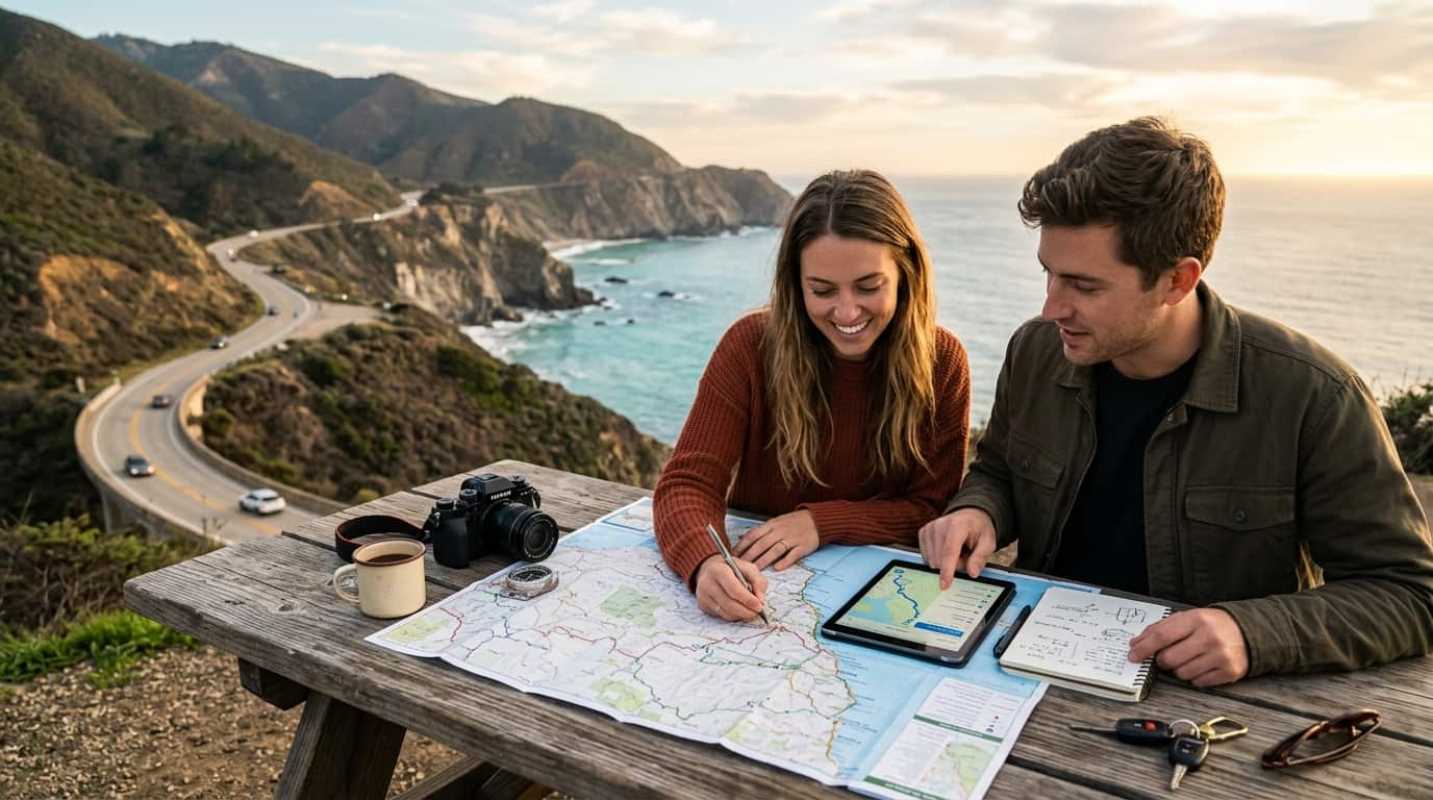
Landing in established nomad hubs like Chiang Mai, Lisbon, or Mexico City gives you instant access to built-in communities, reliable coffee shop setups, and comfortable apartments. Heading off the beaten path sounds romantic, but you might end up spending your first three days searching for a usable cell phone signal or a quiet corner to take a call.
You also need to think about legal requirements and daily expenses:
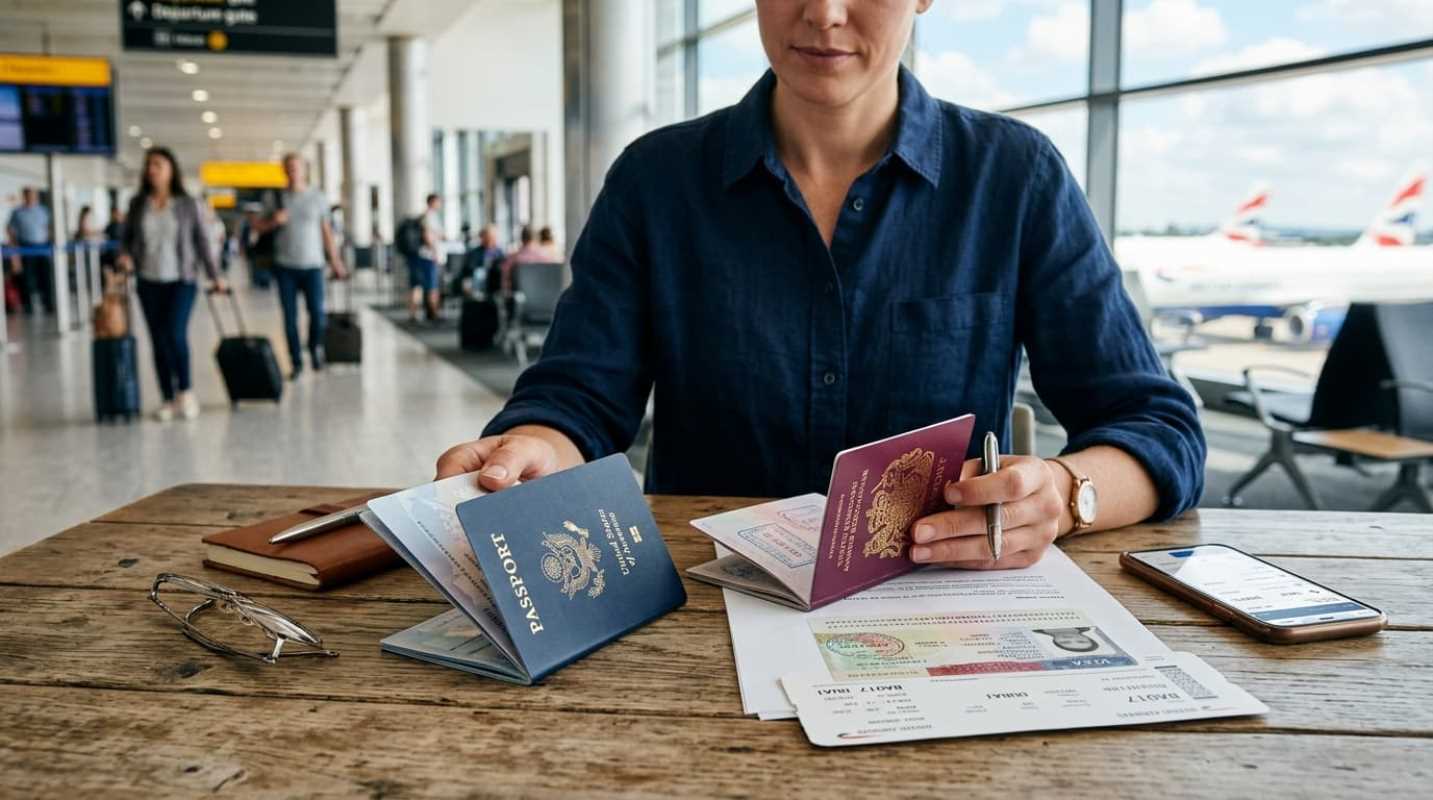
• Visa options: Many countries now offer specific digital nomad visas that allow you to stay legally for six months to two years while working for foreign clients.
• Tax compliance: If you work for a company, make sure your employer has clear policies about working abroad, as staying in one country too long can trigger local tax obligations.
• Cost of living balance: Choose places where your income stretches far enough to afford comfortable private housing, reliable workspace passes, and good quality meals without squeezing your monthly budget.
Time Management Across Travel Time Zones
Working across multiple time zones sounds challenging, but you can turn time differences into a serious advantage if you adjust how you communicate. Shifting from real-time conversations to an "async-first" model keeps projects moving even when your colleagues are fast asleep.
• Ditch live status meetings: Use tools like Loom to record quick video walk-throughs instead of scheduling a 30-minute call.
• Keep central project notes: Maintain clear written documentation in platforms like Notion or Asana so anyone on your team can pick up a task without waiting for you to log on.
• Set fixed anchor hours: Establish a set two- to three-hour window every day dedicated strictly to live team overlap and calls. Keep the remainder of your workday protected for focused, uninterrupted work.
You can also practice time zone arbitrage. If you are located in Southeast Asia while working for clients on the U.S. East Coast, your morning is completely free to explore, exercise, or focus on solo work. You can answer emails and take meetings in your late afternoon or evening as North America wakes up. Tools like World Time Buddy or Nomad Time help you visualize time differences and prevent accidental late-night scheduling errors.
Prioritizing Wellness and Sustaining the Lifestyle
The secret to staying on the road long term is avoiding burnout. Packing up your life and moving cities every four days gets exhausting very quickly. Practicing "slow travel" by staying in one spot for one to three months gives you time to unpack, establish a workout routine, and form actual friendships.
Loneliness is another common issue for long-term travelers. Joining local social groups, visiting coworking spaces regularly, or staying in work-coliving spaces like Outsite or Selina makes meeting people natural. These spaces blend comfortable living arrangements with shared offices and social events, giving you a balance of privacy and community.
Keep your hardware setup lightweight and functional. A portable laptop stand, an ergonomic wireless mouse, a noise-canceling headset, and a universal travel plug adapter are all you need to turn any kitchen table into a comfortable workspace.
Your Path to Professional Freedom
Succeeding as a digital nomad comes down to simple daily habits. It requires balancing the excitement of exploring new places with the discipline to sit down and get your work done every single day.
You do not have to sell all your possessions and book a one-way ticket across the world tomorrow to get started. Try taking a short two-week trip to a nearby city first. Test your mobile setup, practice managing your time, and see how it feels to work away from your home desk.
Location independence is about creating flexibility in your career. By fixing your logistics, choosing smart destinations, and protecting your working hours, you can build a lifestyle that lets you see the world while growing professionally.
Sources:
1. MBO Partners State of Independence Study
https://www.mbopartners.com/state-of-independence/digital-nomads
2. Flatio Digital Nomad Guide
https://www.flatio.com/blog/what-it-really-takes-to-succeed-as-a-digital-nomad-in-2026
3. The Wired Nomad FAQ
https://thewirednomad.com/faq
*This article on answerhaus is for informational and educational purposes only. Readers are encouraged to consult qualified professionals and verify details with official sources before making decisions. This content does not constitute professional advice.*