Have you ever stood in a bumper-to-bumper traffic jam while trying to look at a pine tree? If you visited Zion or Yellowstone recently, you probably have. The numbers do not lie. In 2024, the National Park System hit an all-time high of 331.9 million recreation visits.¹ Even though that number dipped slightly to 323 million in 2025, the crowd pressure at the most famous spots is still intense.²
So what does this actually mean for your vacation? It means you are sharing the views with millions of other people. The top five most-visited parks combined for nearly 30 million visits in 2025. Meanwhile, the five least-visited parks saw just over 106,000 visitors combined.³
Think of it like choosing between a packed, noisy stadium concert and an intimate acoustic session. If you want real solitude and untouched nature, you need to look beyond the famous names. Here's some of the country's best-kept secrets where you can actually hear the wind in the trees instead of car engines.
North Cascades National Park in Washington
It is hard to believe that a park with over 300 glaciers can stay hidden. Yet, North Cascades National Park is one of the least-visited spots in the country.⁴
Why is that? Well, it is partly about how the boundaries are drawn. Although the highway and scenic overlooks nearby get busy, the actual designated park boundary is almost entirely roadless. To see the best parts, you have to strap on a backpack and walk.
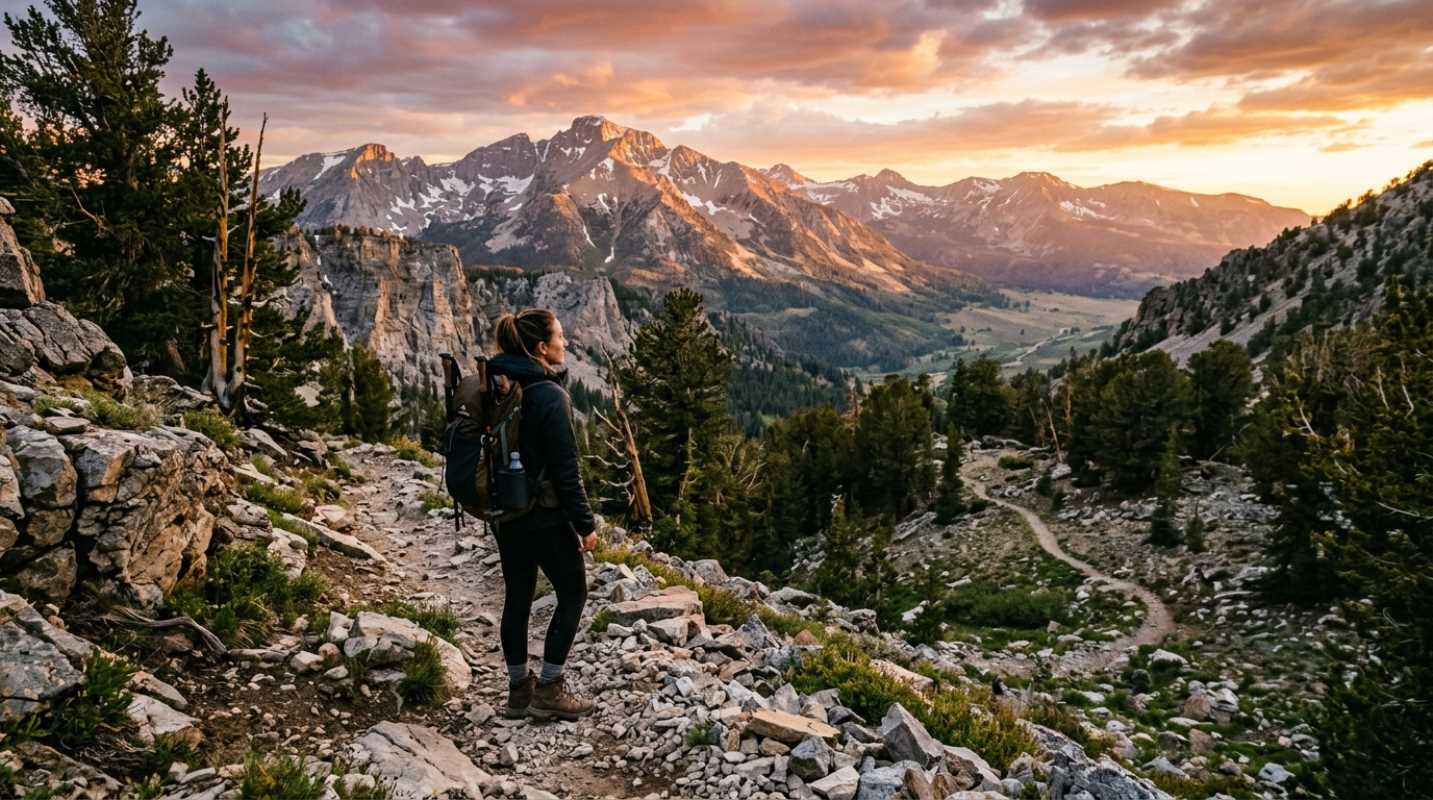
The reward is a dramatic world of jagged peaks, cascading waterfalls, and deep valleys. It feels like you have been transported straight to Switzerland. If you love rugged hiking and photographing bright turquoise alpine lakes, this is your paradise. You can hike for hours without seeing another soul, surrounded by massive walls of ice and rock.
If you look at the numbers, you might notice a weird jump. The park went from just 16,485 visits in 2024 to 46,925 in 2025.³ That 185 percent increase was actually a recovery bounce. Severe wildfires and heavy smoke kept the park mostly closed during the peak summer of 2024, but visitors came back once the air cleared.
To get the best experience without the crowds, aim for the late summer window. Late August and September offer clear trails, fewer bugs, and the best weather for high-altitude hiking.
Great Basin National Park in Nevada
Imagine standing next to a living organism that was already ancient when the Roman Empire fell. That is what you get in Great Basin National Park, home to incredible groves of bristlecone pine trees. Some of these twisted, weather-beaten trees are over 4,000 years old. They grow slowly in the harsh, windy environment high up the mountains, twisting into beautiful, skeletal shapes.
Located about five hours from Las Vegas, this park is a literal breath of fresh air. It rises sharply out of the Nevada desert, climbing all the way to the 13,063-foot peak of Wheeler Mountain. You can tour the underground marble passages of Lehman Caves in the morning and hike through alpine forests in the afternoon.
But the real magic happens after the sun goes down. Great Basin is a designated International Dark Sky Park. Because it is so remote, there is almost zero light pollution.
Have you ever seen the Milky Way with your bare eyes? Here, it looks like a bright, glowing cloud stretched across the sky. The park drew 161,210 visitors in 2025, which is a tiny fraction of what the Utah parks get.³ It is the perfect place to unplug and remember how big the universe really is.
Congaree National Park in South Carolina
If your idea of a national park involves mountains, Congaree National Park will completely change your perspective. Located in South Carolina, this park protects the largest intact expanse of old-growth bottomland hardwood forest in the United States.
This is not just a swamp. It is an ancient, towering forest where some of the tallest trees in the eastern US form a massive canopy. Walking along the boardwalk trail feels like stepping back millions of years. The quiet is punctuated only by the drumming of woodpeckers and the rustle of leaves.
The best way to experience it is from the water. You can rent a kayak or canoe and paddle through the quiet waterways of Cedar Creek. You will float past giant bald cypress trees with their strange, knobby knees rising out of the water. It is peaceful, quiet, and feels incredibly prehistoric.
If you time your visit right, you might catch the seasonal firefly displays. For a few weeks in late spring, thousands of synchronous fireflies light up the woods in unison. It is a spectacular natural light show that feels entirely magical. Because the park limits access during this event, you will need to enter a lottery for tickets, but the effort is worth it.
Practical Tips for Your Adventure
Visiting remote parks is different than rolling into a highly developed spot like the Grand Canyon. You cannot just rely on visitor centers and paved paths.
Here are some key steps to make sure a safe and successful trip
• Practice Leave No Trace: Less-trafficked areas are highly sensitive to human impact. Pack out every single piece of trash, stay on the designated paths, and respect the wildlife.
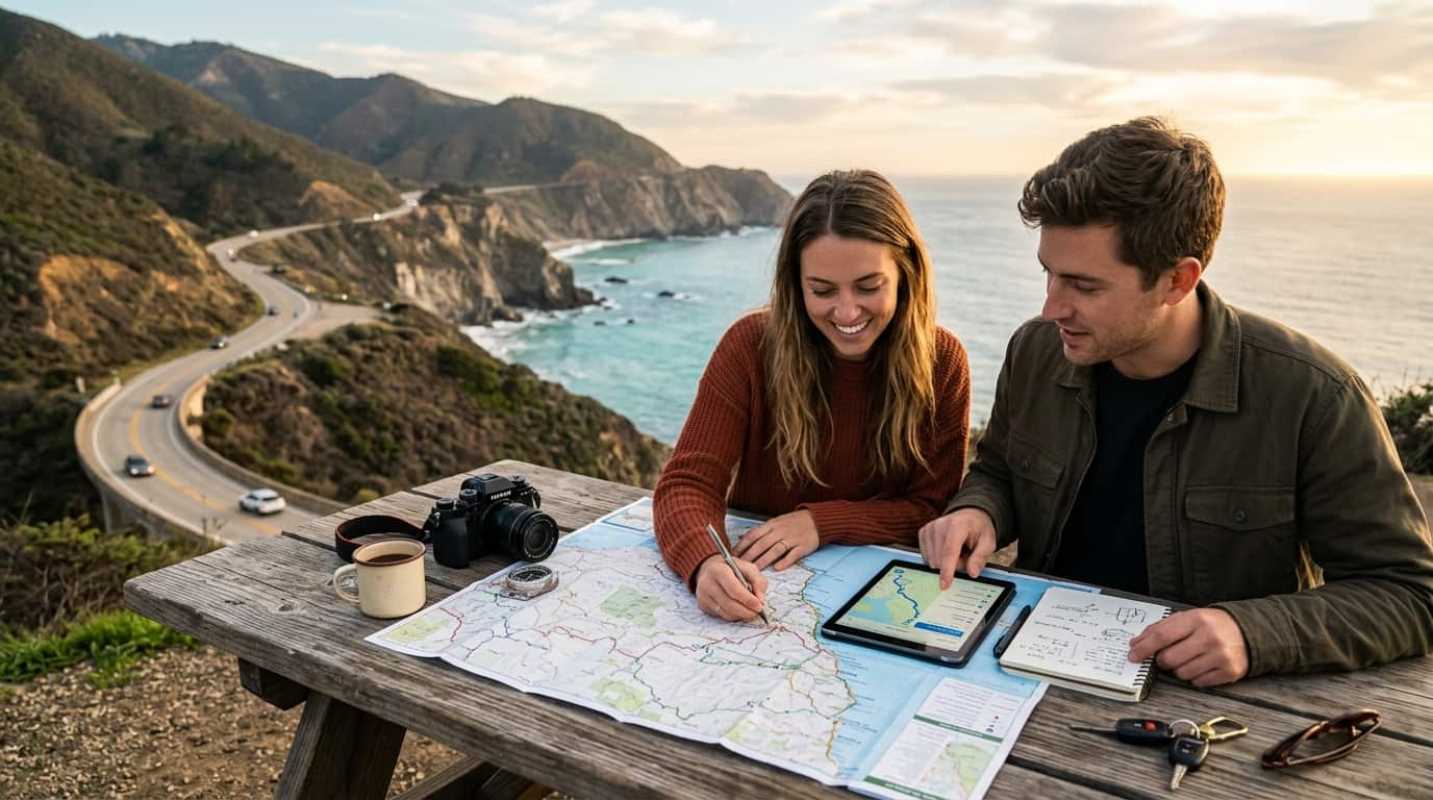
• Plan for Limited Services: Remote parks often have little to no cell service, gas stations, or food vendors. Always fill up your gas tank before entering, and carry paper maps along with plenty of water.
• Pack Rugged Gear: Unmaintained trails require sturdy, broken-in hiking boots. A reliable water filter, a headlamp, and a physical compass are needed safety items.
• Book Six Months Ahead: For parks with strict capacity limits or ferry access, reservations often open exactly six months in advance. Mark your calendar so you do not miss out.
Start Your Unconventional Journey
There is something special about standing in a wild place without hearing another human voice. It gives you a deeper, more personal connection to the natural world.
As you plan your travels for 2026, challenge yourself to skip the crowded tourist hubs. Skip the long lines for shuttle buses and the fight for parking spots. Instead, choose the quiet trails of the North Cascades, the dark skies of Great Basin, or the flooded forests of Congaree.
Your next great adventure is waiting in the quiet corners of the map. Take some time this week to research seasonal access, check permit requirements, and start planning your journey into the wild.
Sources:
1. National Park Service Recreation Visitation Numbers
https://www.nps.gov/aboutus/visitation-numbers.htm
2. Silent Sports Magazine - NPS Reports Over 323 Million Visits in 2025
https://silentsportsmagazine.com/stories/national-park-service-reports-more-than-323m-visits-in-2025,326204
3. National Park Service Visitor Use Statistics Dashboard
https://www.nps.gov/subjects/socialscience/visitor-use-statistics-dashboard.htm
4. National Park Trips - Least Visited Parks
https://www.nationalparktrips.com/news/least-visited-parks-2025/?scope=anon