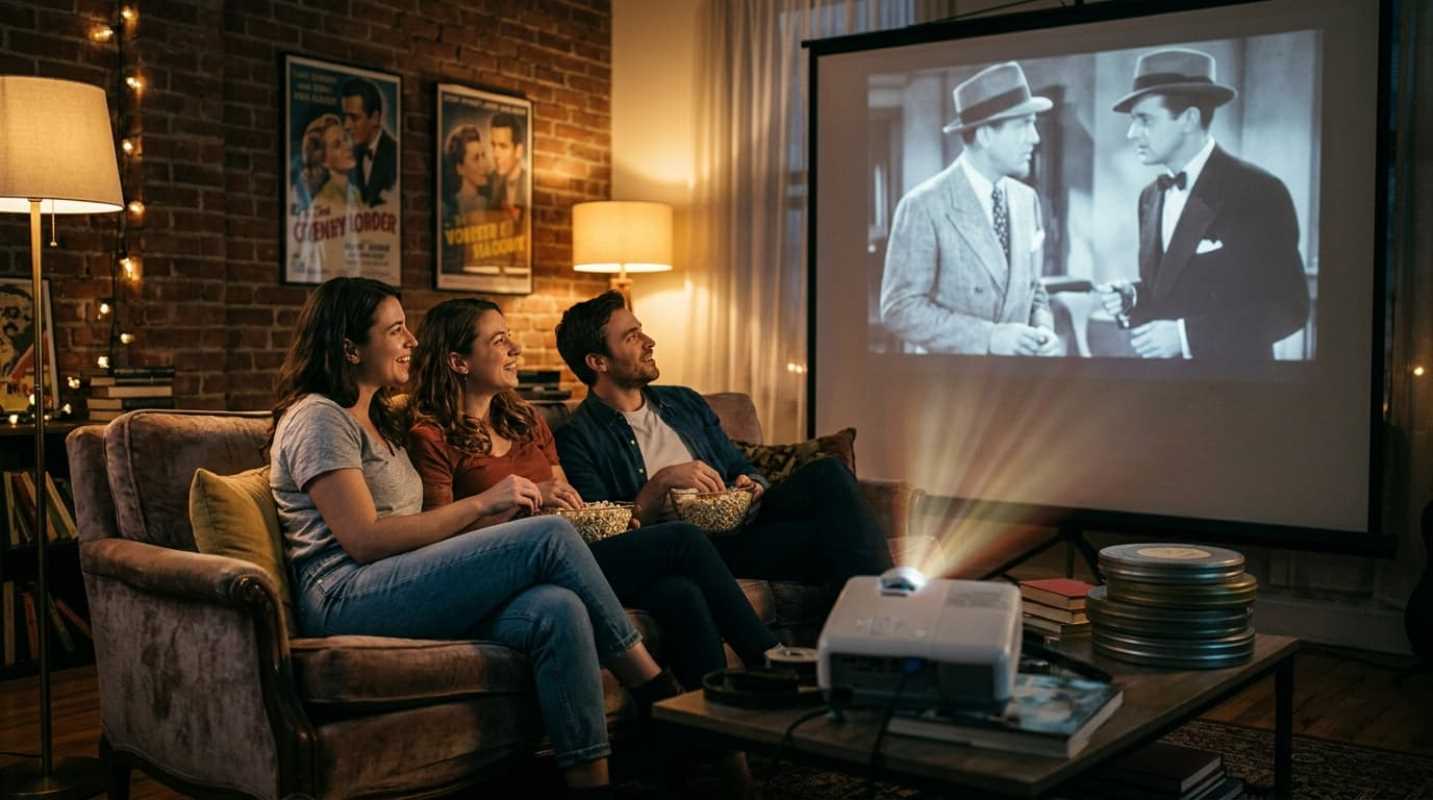
Remember the last time you sat in a dark theater, staring at a distant stage, trying not to rustle your snack wrapper? It is a century-old setup. You sit quietly in your assigned seat. You watch actors perform under a spotlight. You clap when the lights go up, and then you go home.
But lately, a lot of us are finding that passive routine a bit boring. We do not just want to watch stories anymore. We want to step through the screen, walk past the velvet ropes, and actually live inside them.
This is why immersive theater is exploding right now. It is a massive shift from passive observation to active participation. And let's be honest, it is not just a passing trend. It is the future of storytelling.
Why Immersive Theater Experiences Are Taking Over
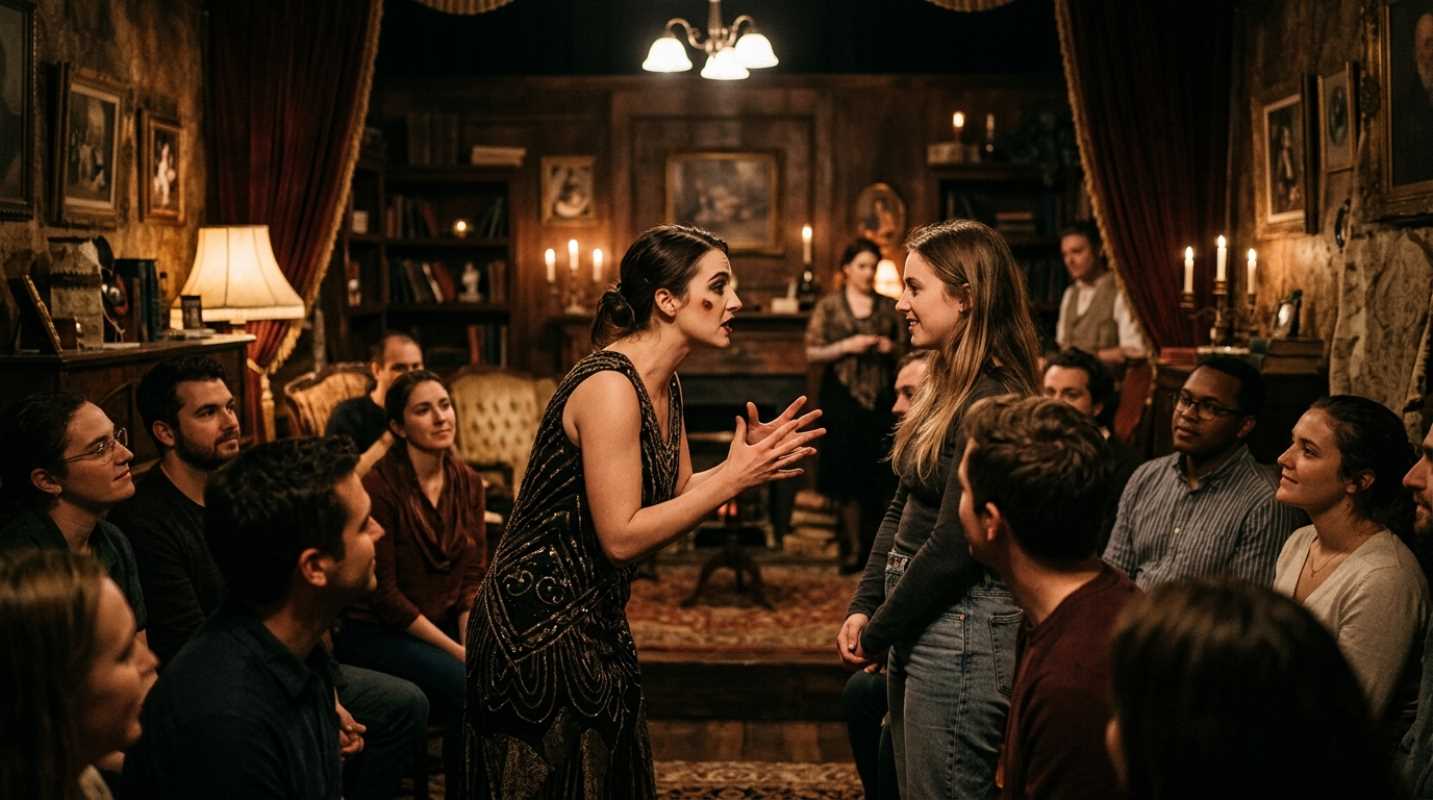
So why are we suddenly obsessed with these interactive shows? It comes down to agency. In a traditional play, you know exactly how the night will end because the script is set in stone. In an immersive show, you get to choose your own path.
Think of it like a real-life video game. You can follow a specific actor into a private room, open a desk drawer to read a character's diary, or simply sit in a corner and watch the world spin around you. This level of control is incredibly exciting.
It is also the perfect antidote to our collective digital fatigue. We spend all day staring at flat screens, scrolling through social media feeds that feel completely detached from physical reality. Immersive theater forces you to use your actual senses. You smell the old wood in a dusty library. You touch the cold stone walls. You feel your heart race when an actor looks you in the eye and whispers a secret meant only for you.
Think about it. When was the last time a movie made you smell rain, or a standard play let you pick up a prop and examine it? By engaging your entire body, these shows create memories that stick with you far longer than any Netflix show ever could.
The market numbers show just how fast this craving is growing. The U.S. immersive entertainment market is projected to reach over 281 billion dollars by 2033.³ People are even planning entire vacations around these shows. According to a recent industry report, 73% of audiences are willing to travel specifically for immersive experiences that catch their eye.¹
We do not want to just watch entertainment. We want to live inside of it.²
The Evolution of the Create From Warehouses to Global Stages
This movement did not start with massive budgets. It began as a gritty, underground experiment. Tiny theater companies staged weird, wordless shows in abandoned warehouses and dusty basements. But over the last decade, those experiments grew into massive, high-stakes productions. Today, creators combine physical set design with cutting-edge technology to build unbelievably detailed worlds.
But how do you actually make a show like this work? It is a massive tightrope walk for the creators. They have to balance a structured script with total improvisation. The actors must know exactly where they need to be at every single minute to keep the story on track. At the same time, they have to react instantly and stay in character when a guest does something completely unexpected.
Right now, the industry is going through what experts call its awkward teenage years. Building and maintaining massive, multi-floor venues is incredibly expensive, and the financial risks are high.
Just look at what happened in New York City, the historic heart of the movement. The legendary show Sleep No More finally closed its doors on January 5, 2025, after an incredible 13-year run. Shortly after, a massive new show called Life and Trust opened in the Financial District in August 2024. But because of high running costs and slow ticket sales, it suddenly shut down in April 2025.
So how are creators surviving this tricky phase? Many are turning to famous stories and big brands to bring in crowds. Like, a massive hit called Masquerade (an immersive take on The Phantom of the Opera) opened in July 2025. By using a story people already love, the show has been a sell-out success, booking tickets well into late 2026.⁴
Must-Visit Destinations for Immersive Theater
If you want to dive into this world, you have some incredible options across the globe. Some of these shows are massive, choose-your-own-adventure puzzles where you wander freely. Others are smaller, intimate games where you talk directly to the actors.
If you are a first-timer, do not feel pressured to see everything. You cannot possibly watch every scene on your first run, so do not even try. Pick one character who looks interesting and follow them. Wear comfortable shoes because you will be walking, and sometimes running, up and down stairs. Most importantly, do not be afraid to interact when an actor looks your way.
Here are some of the best places to experience this magic right now.
• Masquerade (New York City, USA): This show invites you into a six-story building on West 57th Street designed to look like the 19th-century Paris Opera House. You wear a mask and move in small groups, following the Phantom through hidden passages and dodging a crashing chandelier. It is the perfect mix of classic Broadway and modern interactive storytelling.
• Elvis Evolution (London, UK): Located at Immerse LDN, this walkthrough experience uses artificial intelligence, holographic projections, and live actors to let you walk in the shoes of Elvis Presley. It culminates in a virtual concert performance that feels incredibly real. It is booking through August 2026.
• Ghost Town Alive! (Buena Park, California, USA): Every summer, Knott's Berry Farm turns its Wild West area into a giant roleplay game. You can solve mysteries with cowboys, help bank robbers, and change the daily storyline of the town. It is widely considered one of the best pieces of interactive theater in the world.
• Burnout Paradise (Global Tour): Created by the Australian collective Pony Cam, this show has five performers on treadmills trying to complete chaotic tasks like cooking a meal or reciting Shakespeare. You get pulled onstage to help them, and if they fail, you get a full refund. It is a wild, fun commentary on modern work culture.
• The Death of Rasputin (Governors Island, New York, USA): This show takes you back to 1916 Russia. Unlike older, silent mask shows, this one has full dialogue, letting you gossip with characters, plot revolutions, and make alliances.
The Future of Participatory Storytelling
Where does the industry go from here? The line between physical theater and digital reality will only get thinner. We are already seeing creators use generative AI to let digital characters talk back to you in real time. Soon, augmented reality glasses might let you see ghosts or magic spells layered over physical sets.
We are also seeing a massive demand for highly personalized stories. People want experiences that adapt to their specific choices, making them feel like the actual main character of the adventure.
As Andrew McGuinness, the head of Layered Reality, puts it, people do not want to just sit and receive entertainment anymore. They want to be a part of it.⁵
The demand for these active experiences is only going up. If you are tired of the same old movie nights and passive concerts, it is time to try something different. Go buy a ticket, step through the door, and see where the story takes you.
Sources:
1. Gensler Research Institute - 2025 Immersive Entertainment & Culture Industry Report
https://www.gensler.com/gri/immersive-industry-report-2025
2. Bossip - Viral Entertainment Experiences Are Replacing the Club Scene for Good
https://bossip.com/4562200/viral-entertainment-experiences-are-replacing-the-club-scene-for-good/
3. Research and Markets - U.S. Immersive Entertainment Market Forecast
https://www.researchandmarkets.com/reports/6189314/u-s-immersive-entertainment-market-forecast
4. Reddit - Masquerade NYC Discussion
https://www.reddit.com/r/MasqueradeNYC/comments/1q3diym/10_questions_about_theater_in_2026_including_one/
5. Span-Tech - The Rise of Immersive Theater in 2025
https://span-tech.com/the-rise-of-immersive-theater-in-2025/